What Cowboy Comments Reveal About the American West
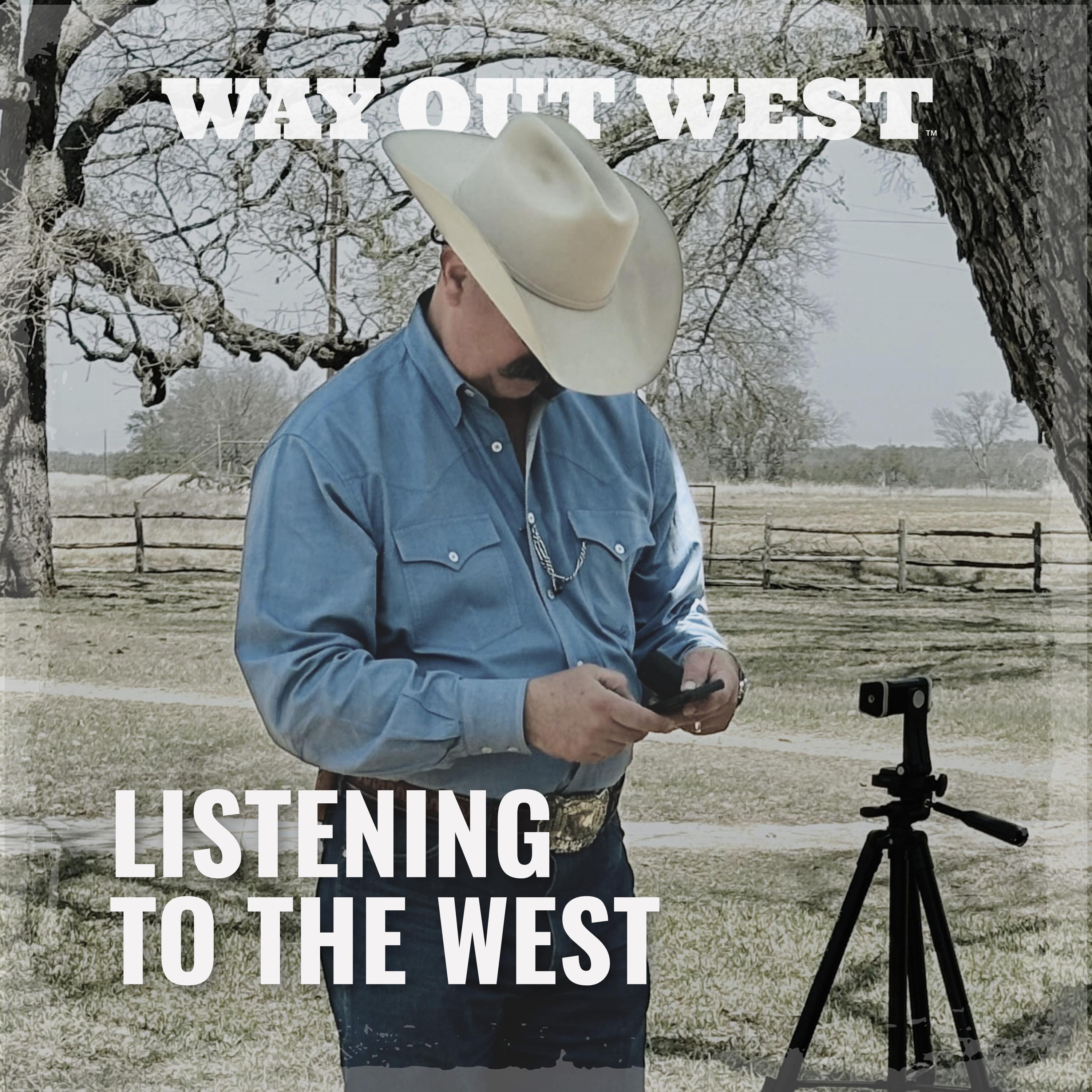
After reading thousands of comments from cowboys, ranchers, historians, and readers around the world, one truth stands out: some of the most valuable stories about the American West aren't found in history books—they're preserved in the memories people choose to share.
What Cowboy Comments Reveal About the American West

Every story about the American West sparks a conversation.
Sometimes those conversations happen around a campfire. Sometimes around a branding pen. And today, many of them happen in the comments beneath an article or video.
After reading thousands of comments from ranchers, horsemen, historians, descendants of pioneers, and readers from around the world, one thing has become clear: people aren't just debating history—they're preserving it.
In this episode of Way Out West, explore what those conversations reveal about cowboy culture, regional traditions, and the living legacy of the American West. From Texas cowboys and Nevada buckaroos to Florida Crackers, Mexican vaqueros, and Hawaiian paniolo, discover why there has never been just one cowboy tradition—and why that's exactly what makes Western history so fascinating.
Along the way, we'll talk about oral history, family memories, curiosity, and why some of the most valuable pieces of Western history may never appear in a textbook.
Because sometimes the story behind a comment is every bit as important as the story that inspired it.
What You'll Hear
- Why people often defend memories more than historical facts
- How family stories preserve Western history
- Why oral history still matters today
- The surprising regional diversity of cowboy culture
- What thousands of comments reveal about the American West
- Why curiosity is one of the best ways to preserve history
- How every generation contributes to the continuing story of the West
Ride Way Out West
If you enjoyed this episode, be sure to follow Way Out West wherever you listen to podcasts.
And if you’d like to support independent storytelling about the American West, share this episode with somebody who loves cowboy history, frontier culture, and the stories that still ride on today.
Support the Show → Buy me a coffee
02:28 - Chapter 1 - Every Comment Is Really About Something Else
03:24 - Chapter 2 - The Stories Hidden in the Comments
04:18 - Chapter 3 - There Was Never Just One Cowboy
05:19 - Chapter 4 - People Want Someone Remembered
06:06 - Chapter 5 - Why I Keep Reading the Comments
06:44 - Chapter 6 – Closing Thoughts
07:33 - Chapter 7 – Buster the Bull & Cowboy Glossary Term of the Week
08:18 - Chapter 8 – Thanks for Listening
History books don't tell the whole story of the American West.
Some of the best stories I've found weren't in an archive...
They were buried in the comments beneath a thirty-second video.
Stories about grandfathers.
Branding pens.
Old saddles.
Forgotten ranches.
Tiny details that historians rarely record...
But families never forget.
And after reading thousands of those conversations, I've realized they reveal something remarkable about the American West.
[Music Up]
Howdy. Chip Schweiger, here.
Welcome to another edition of Way Out West.
Where the stories of the American West are told...
Cowboy wisdom is earned...
And the legacy of the American cowboy still rides on.
There's something about the American West that invites conversation.
Maybe it's because no one owns its story.
It belongs to too many people.
To the vaquero in northern Mexico.
To the rancher in Nevada.
To the Florida Cracker cowboy pushing cattle through palmetto scrub.
To the Black drover on the Chisholm Trail.
To the Hawaiian paniolo.
To the family whose grandfather worked one small ranch and never became famous enough for a history book.
That's one of the reasons I started Way Out West.
Not simply to tell stories...
But to keep listening for the ones that history almost left behind.
So today on the show, I'm going to share what I've learned about the American West from thousands of comments on social media.
It's a slightly different kind of episode,
but after reading conversations from ranchers, horsemen, historians, and everyday folks who simply love the West,
I've realized those comments reveal something history books often can't.
Before we saddle up, remember you'll find additional resources for today's episode in the show notes at WayOutWestPod.com/cowboy-comments.
Chapter 1 - Every Comment Is Really About Something Else
Welcome back.
I'll admit something.
When I first started posting regularly on social media, I assumed the comments would mostly be about facts.
Did I get the date right?
Did I pronounce something correctly?
Did I miss an important detail?
Sometimes they are.
But much more often...
They're about identity.
Someone writes, "That's not how we wore pearl snaps."
At first glance, it sounds like they're correcting a shirt.
But read a little further and you discover they're talking about their dad...
Or their grandfather...
Or the ranch where they grew up.
The shirt isn't really the point.
The memory is.
That's something I've come to appreciate.
People aren't simply protecting historical facts.
They're protecting family history.
And those aren't always the same thing.
Chapter 2 - The Stories Hidden in the Comments
One pattern surprised me almost immediately.
The older followers rarely argue first.
They tell stories first.
"My granddad always..."
"I remember helping..."
"Back in the fifties..."
Those are my favorite comments.
They're oral history.
Little fragments of everyday life that never made it into books.
Sometimes someone remembers how their grandfather tied a wild rag.
Sometimes they describe branding day.
Sometimes they explain why one ranch did something differently from another.
None of those stories alone changes history.
But together...
They make history richer.
Historians spend years looking for primary sources.
Sometimes one appears underneath a thirty-second video about cowboy hats.
Chapter 3 - There Was Never Just One Cowboy
If there's one lesson the comments have reinforced, it's this.
There has never been one cowboy culture.
Spend enough time reading responses and you'll hear from Texas.
Then Nevada.
Then Florida.
Then Alberta.
Then northern Mexico.
Then Hawaii.
Sometimes Australia.
Sometimes Brazil.
Everyone recognizes something familiar.
And everyone notices something different.
That's why I use the word evolved so often.
The cowboy wasn't copied from one place to another.
He adapted.
The country changed.
The cattle changed.
The weather changed.
The work changed.
So naturally the cowboy changed too.
Different gear.
Different horses.
Different traditions.
Same occupation.
That's one of the things I love most about Western history.
It's connected without being identical.
Chapter 4 - People Want Someone Remembered
Another thing I've noticed...
People care deeply about giving credit.
One person reminds me about the Spanish vaqueros.
Another points out Black cowboys.
Someone else mentions Native Americans.
Women.
Immigrants.
At first glance those comments can look like disagreements.
Most of the time...
They aren't.
They're asking for someone not to be forgotten.
I think that's a worthy instinct.
The history of the West was never built by one group of people.
It was built by generations whose stories crossed paths in ways that were often complicated.
If Way Out West has a mission...
It's to make the picture larger, not smaller.
Chapter 5 - Why I Keep Reading the Comments
For every debate...
There are dozens of questions.
Why pearl snaps?
Why are cowboy shirts buttoned clear to the top?
Why do some cowboys wear wild rags?
Why are buckaroos different from Texas cowboys?
Those questions are why I started this publication.
Curiosity spreads.
One question becomes another story.
One comment becomes another episode.
One memory becomes another article.
I've learned just as much from readers as I have from archives.
And maybe that's the biggest surprise of all.
Chapter 6 – Closing Thoughts
The biggest lesson I've learned isn't really about social media.
It's about the West.
The West is still alive.
Not because everyone agrees.
Not because history is simple.
But because people still care enough to tell their stories.
To remember a grandfather.
To defend a tradition.
To ask questions.
To keep learning.
If nobody cared...
There wouldn't be thousands of comments.
There would only be silence.
That's why I'll keep reading them.
Not because every comment is correct.
But because every now and then...
Someone leaves behind a story that no history book ever captured.
And that's a reminder that the story of the American West isn't finished.
It's still being written.
One conversation at a time.
Chapter 7 – Buster the Bull & Cowboy Glossary Term of the Week
OK, before we ride out today, we’ve got one more thing
[BULL SOUND]
Yep, that distinctive call from Buster the Bull means it’s time again for our cowboy glossary term of the week.
And today’s term is oral history.
So, an oral history is exactly what it sounds like: memories, stories, and firsthand accounts passed from one person to another rather than written down.
Long before historians collected interviews, ranch families preserved their history around kitchen tables, branding fires, and chuck wagons.
Some of the best examples today show up in places you might never expect...
Like the comments beneath a video on social media.
[MUSIC UP AND FADE]
Chapter 8 – Thanks for Listening
Well, that’s all for this episode of Way Out West. Thanks for riding with me here
If you enjoyed the episode, please follow, rate, and share the show
with someone who loves the history, culture, and traditions of the American West.
And if you'd like to see more of the work we're doing,
you can visit RideWayOutWest.com.
And while you're there, take a few minutes to explore the Way Out West Journal, where we dive even deeper into the people, places, and history that continue to shape the West today.
That’s RideWayOutWest.com
Until next time, this is Chip Schweiger
reminding you that the American West isn't just a place on a map.
It's a way of life, a spirit of independence, and a legacy worth preserving.
We’ll see ya down the road.