Episodes
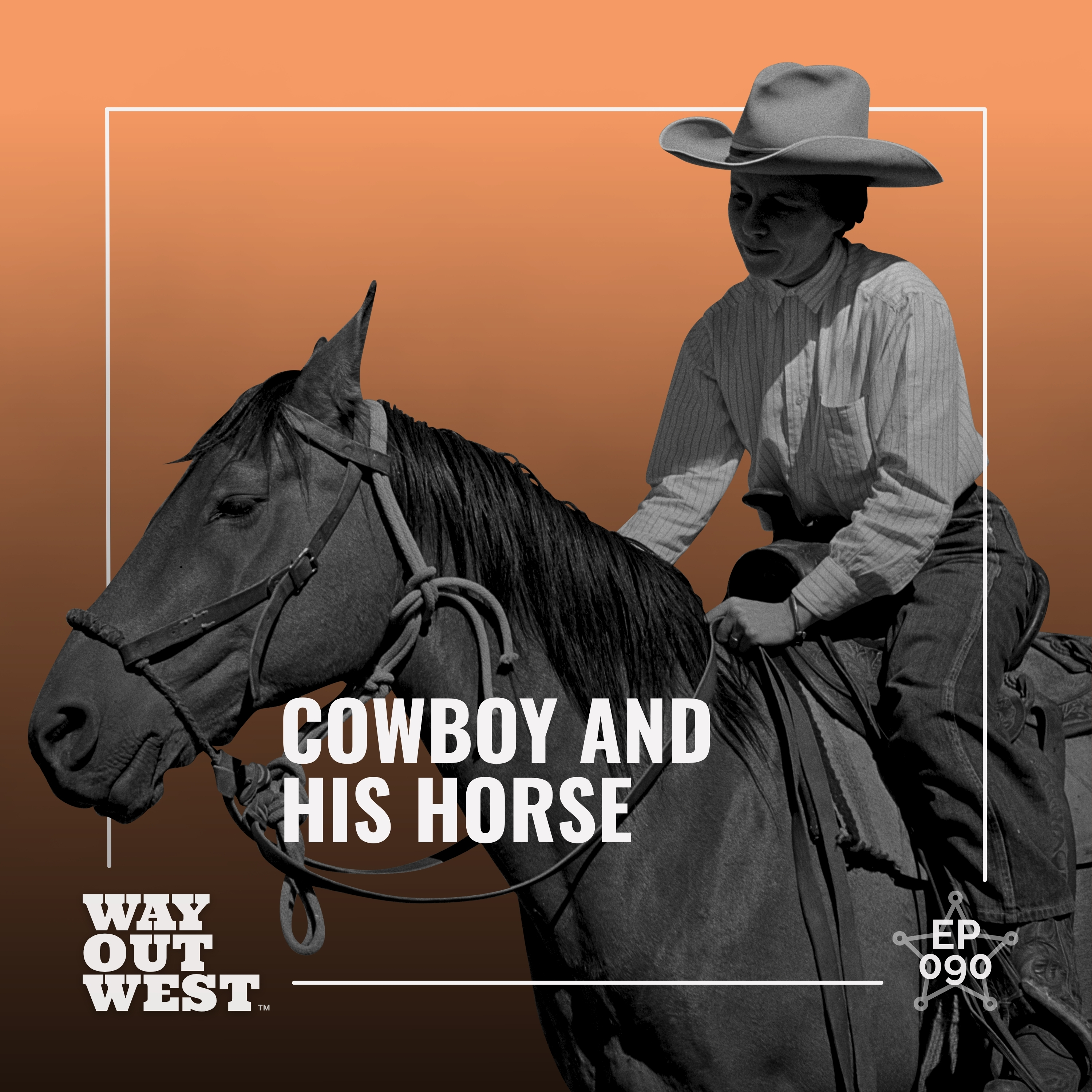
90
April 29, 2026
The Cowboy and His Horse: Trust, Survival, and the Open Range
When everything went wrong on the range, one thing determined whether a cowboy stayed in the saddle—the horse beneath him. In this episode, we explore the trust, training, and partnership that made a horse more than transportation—it made the job possible.
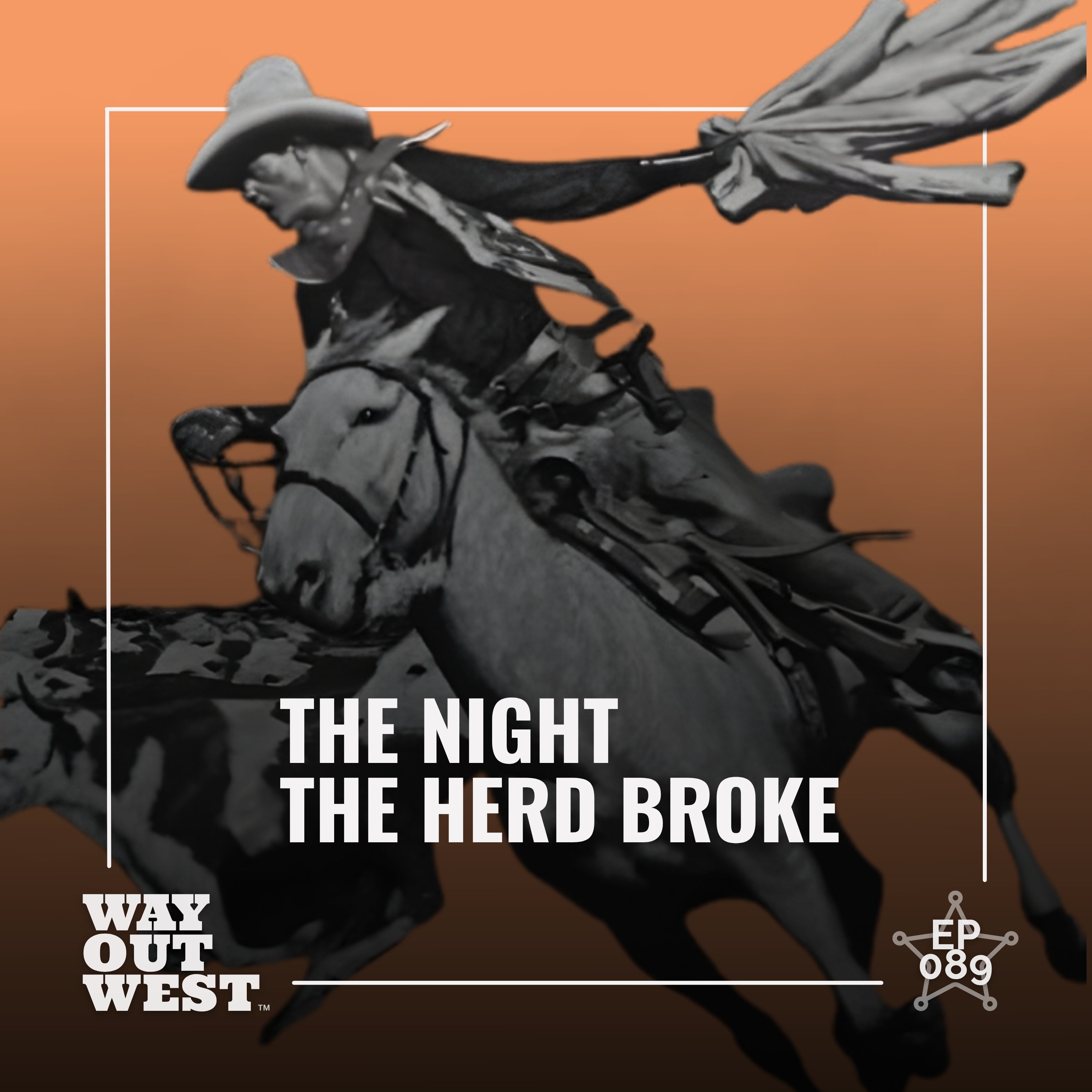
89
April 22, 2026
The Night the Herd Broke: Inside a Cowboy Stampede
A storm rolls in. One animal spooks. Then the whole herd runs. In this episode, we step into the chaos of a cattle stampede when thunder, darkness, and 2,000 head of cattle turned the night into one of the most dangerous moments on the trail.
88
April 15, 2026
You Could Ride Out… and Never Be Found
In the Old West, disappearing didn’t take a dramatic moment, just distance. In this episode, we explore how men could quietly vanish, leaving behind names, places, and past lives, and what it really meant to start over… or never be found at all.
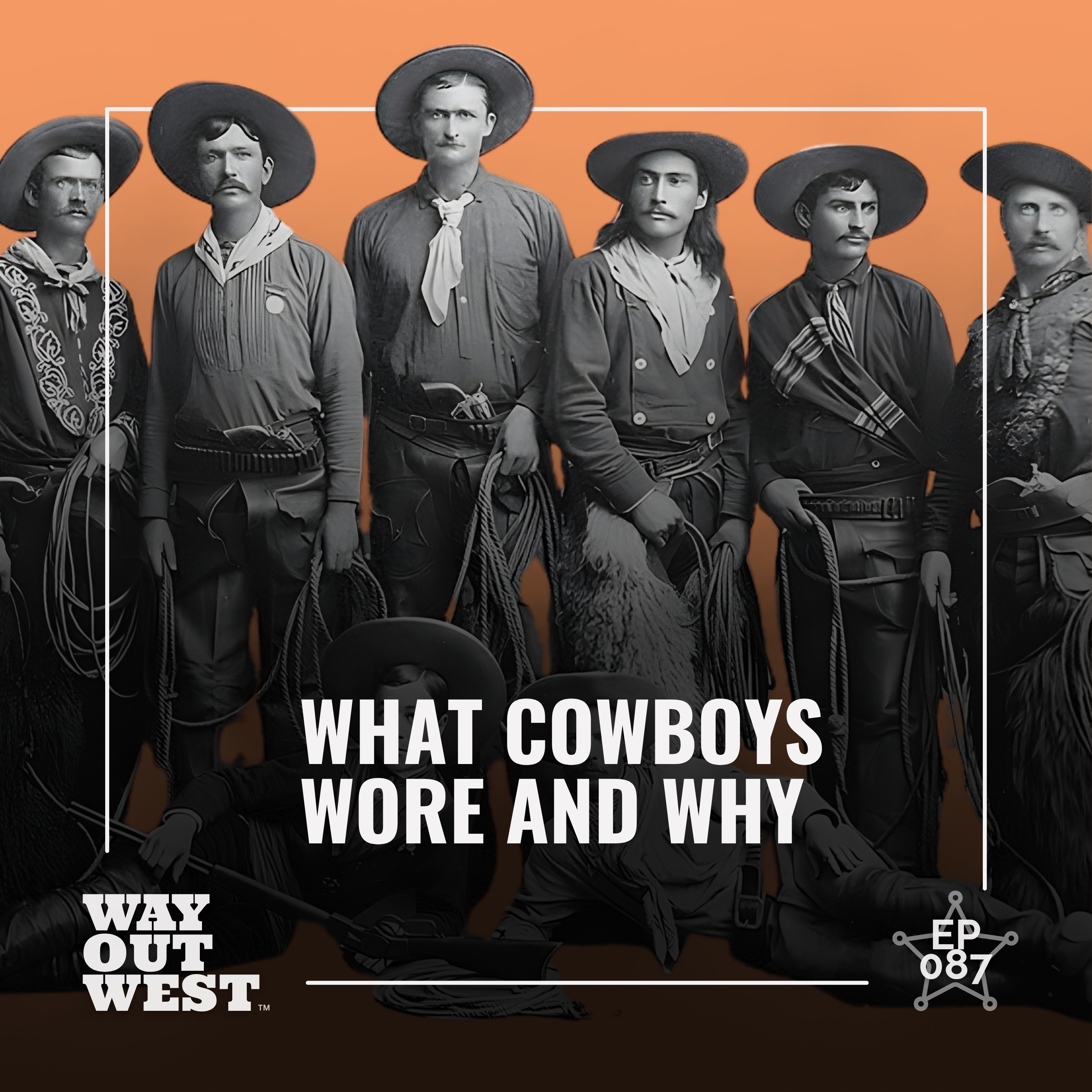
87
April 8, 2026
What Cowboys Wore and What Happened When They Didn’t
What a cowboy wore wasn’t about style; it was about survival. In this episode, we break down the purpose behind cowboy gear and what happened when it was missing, showing how every piece—from hat to boots—played a role in getting through the day.
86
April 1, 2026
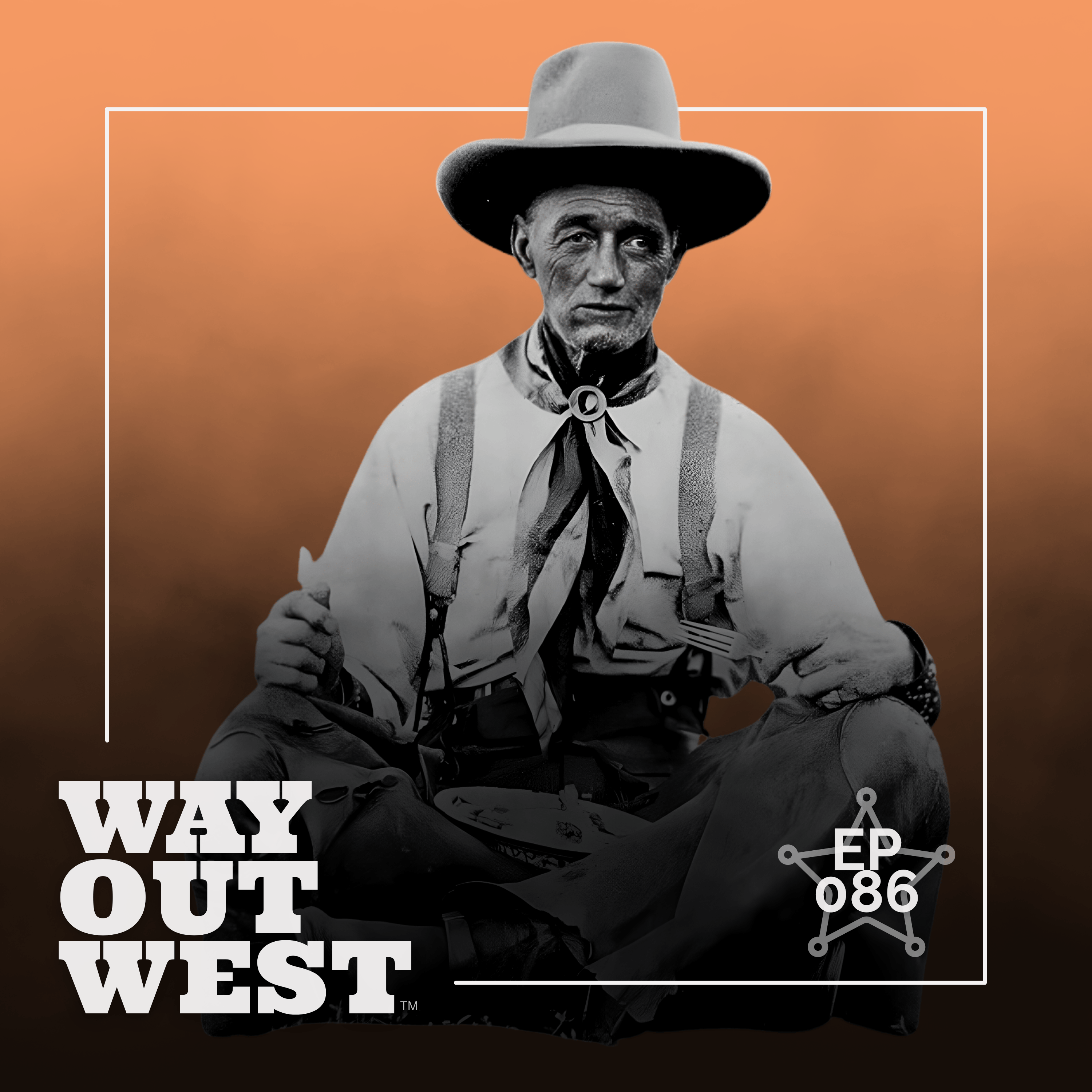
The Truth About Cowboying: Why Not Everybody Could Hold the Job
Most men who tried cowboying didn’t last. In this episode, we take a hard look at what the job actually demanded—physically and mentally—and why the difference between staying and quitting often came down to more than just skill in the saddle.
85
March 25, 2026
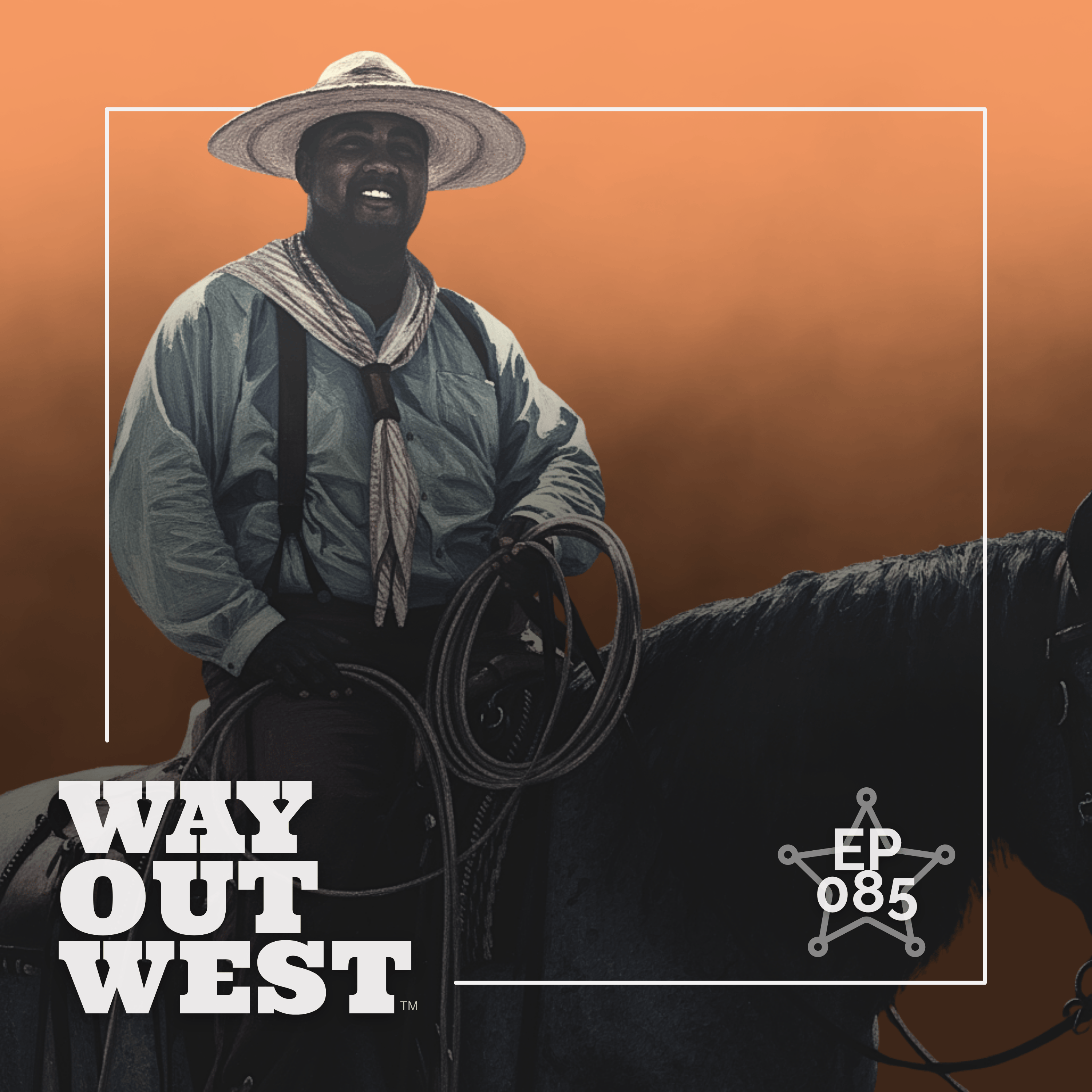
The Real Origins of the Cowboy: What We Get Wrong About Cowboy History
The American cowboy is iconic, but his story didn’t start where most people think it did. Long before cattle drives pushed north out of Texas, Mexican vaqueros and Indigenous horse cultures had already developed the skills, tools, and traditions that defined life on horseback in the West. In this episode of Way Out West, take a closer look at the real origins of the cowboy, tracing how Spanish, Mexican, and Indigenous influences shaped everything from horsemanship to gear to language. From th...
84
March 18, 2026
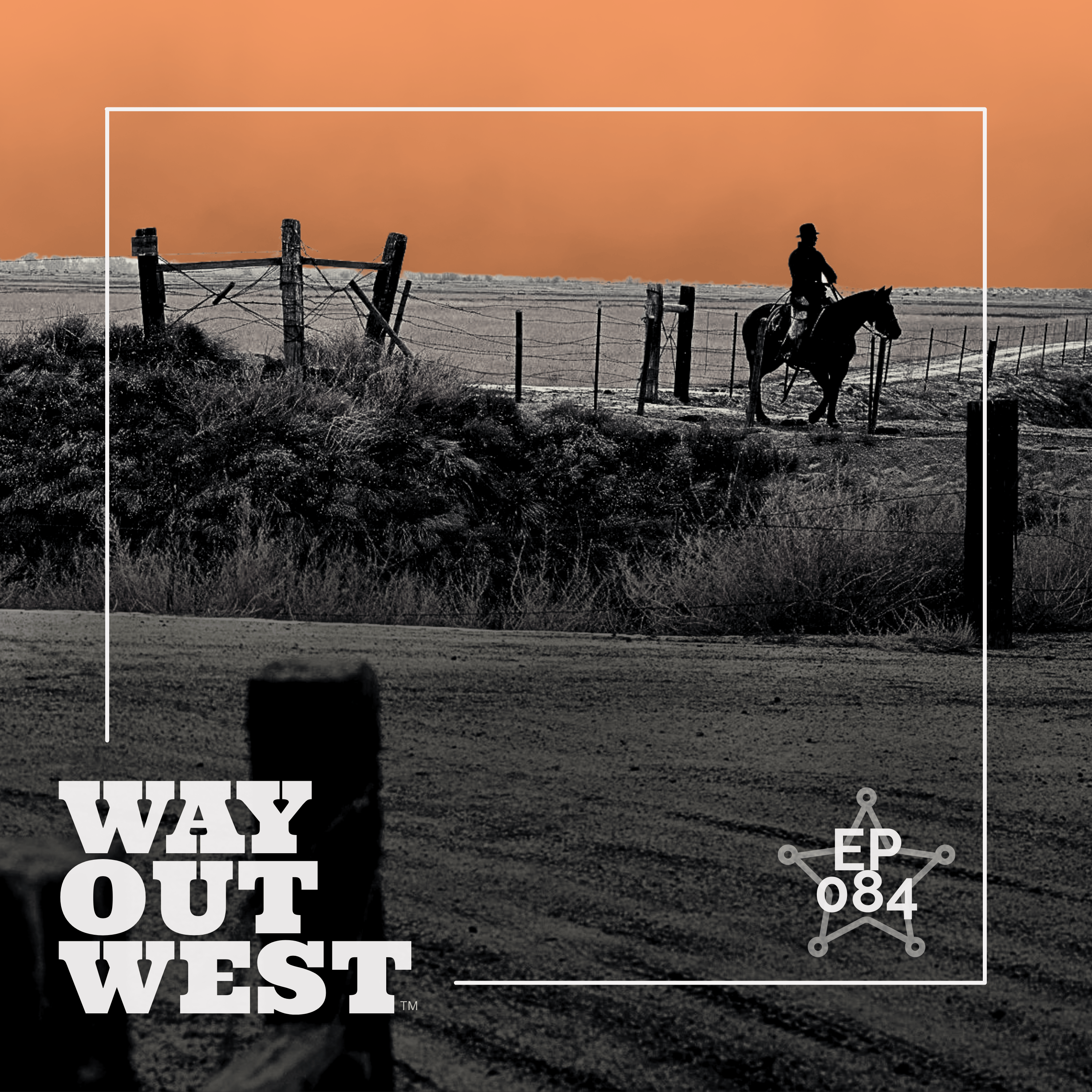
How Barbed Wire Changed the American West and Ended the Open Range
The open range didn’t end with a war… or a law. It ended with wire. In this episode of Way Out West, take a ride through one of the most important and often overlooked turning points in the history of the American West: the invention of barbed wire. A simple strand of steel reshaped the land, changed the work of the cowboy, and brought an end to the wide-open prairie that defined an era. From fence-cutting wars to brutal winters on the Plains, this is the story of how barbed wire closed the r...
83
March 11, 2026
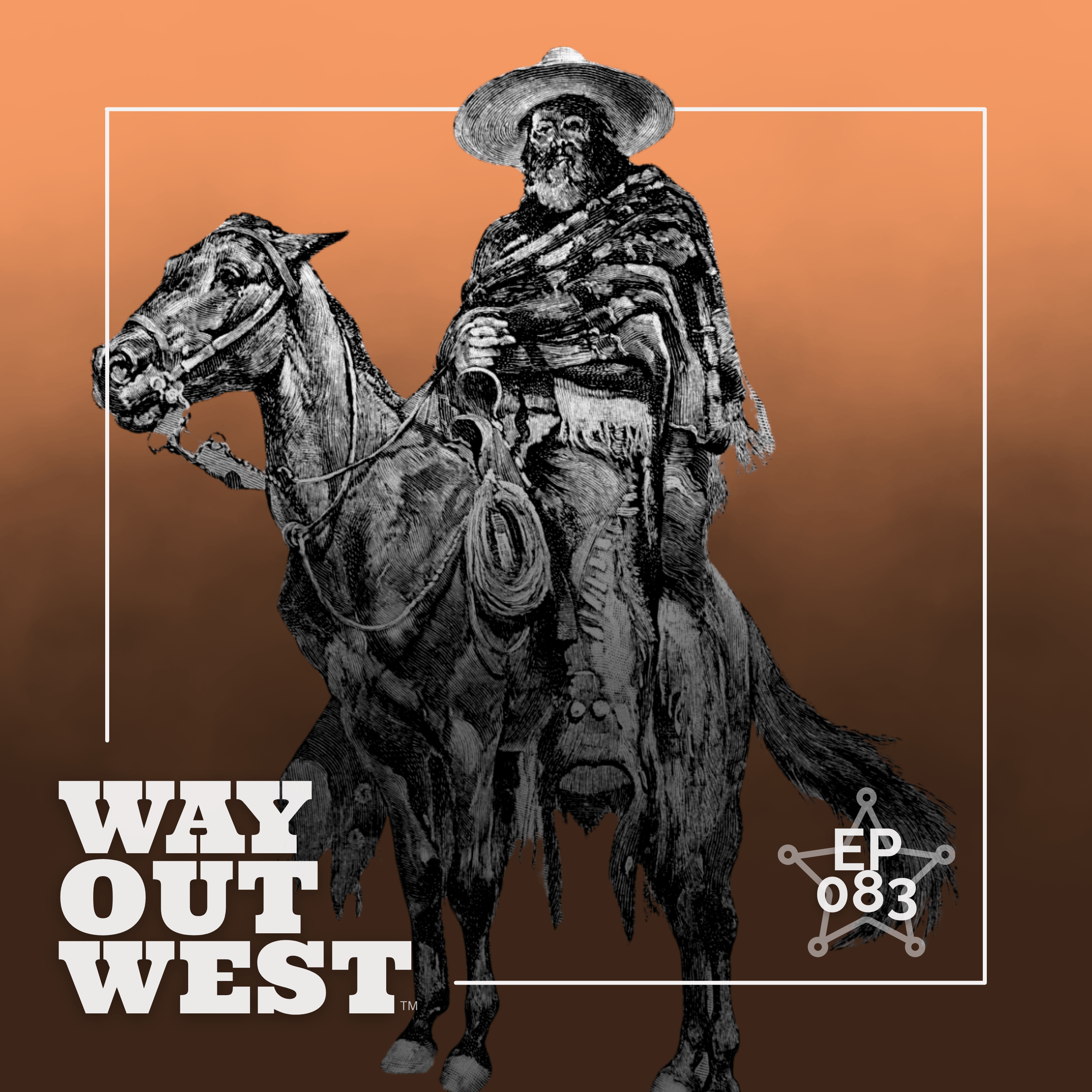
Before the Cowboy: The Braided Roots of the West
The American cowboy didn’t appear out of nowhere. In this episode of Way Out West, we explore the braided cultural roots of cowboy life—from Spanish vaqueros who brought horsemanship north from Mexico to Indigenous horse cultures that mastered the Plains long before the cattle drives. Together, these traditions shaped the riding, gear, and working methods that became the foundation of the American cowboy. Transcript: For a full transcript of this episode, click on "Transcript" Your Turn! Sha...
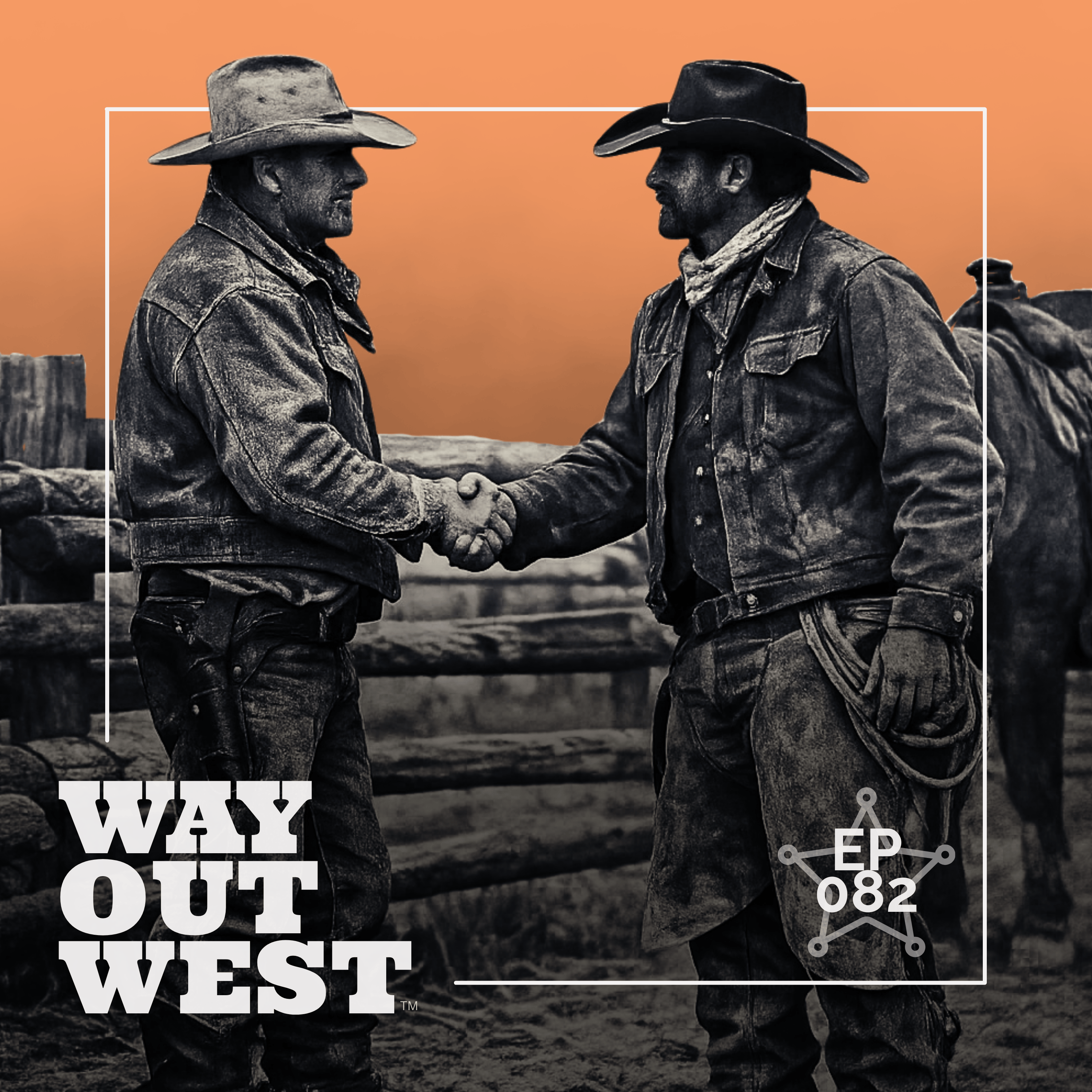
82
March 4, 2026
Why a Cowboy’s Word Meant Everything in the Old West
On the frontier, a handshake could carry as much weight as any written contract. In the Old West, reputation was everything, and a man’s word often determined whether he could do business again. In this episode of Way Out West, we explore the unwritten code that held the frontier together. Through stories from the cattle trails and frontier towns, we look at why keeping your word mattered so much in the Old West, and what happened when honoring a promise suddenly became expensive. From the fam...
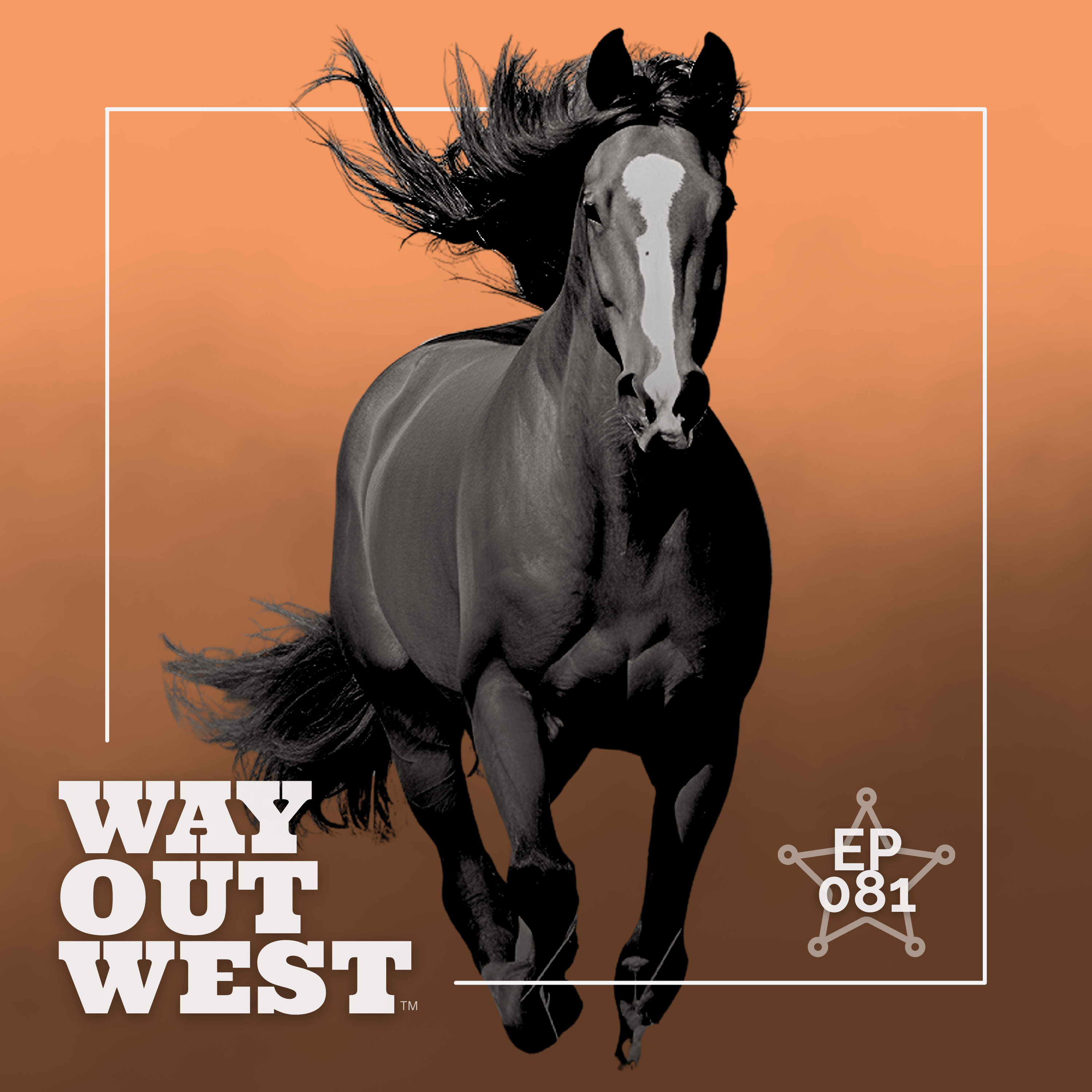
81
Feb. 25, 2026
How the Horse Made the American West Possible
The American West did not move at the speed of rail or wire. It moved at the speed of a horse. In this episode of Way Out West, we step back from individual legends and trail drives to look at the animal that made the entire frontier possible. From the return of Spanish horses in the 1500s to the rise of Comanchería, from the mountain men to the Pony Express, from the cattle kingdom to the U.S. Cavalry, this is the story of mobility, endurance, and power. The horse didn’t just help settle the...
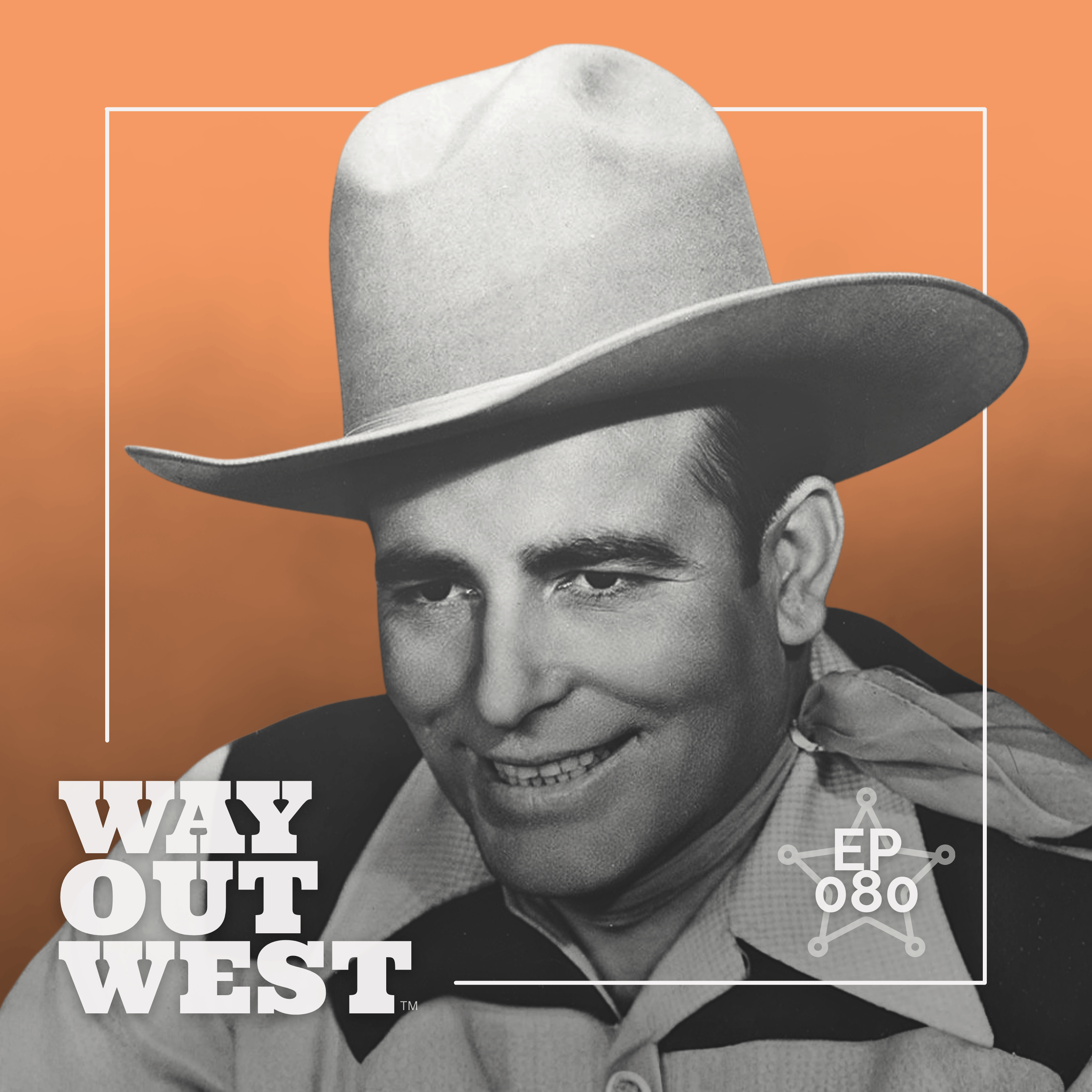
80
Feb. 18, 2026
Bob Wills: The Man Who Helped the West Find Its Rhythm
The early twentieth-century West was a place in motion: cattle moving north, oil derricks rising on the plains, railroads stretching toward the horizon, and working people spread across vast distances. And then came a sound that brought them back together. This week on Way Out West, we tell the story of Bob Wills, the man who helped the West find its rhythm. As radio erased distance and boom towns lit up the night, Western swing became more than music. It became the social heartbeat of a hard...
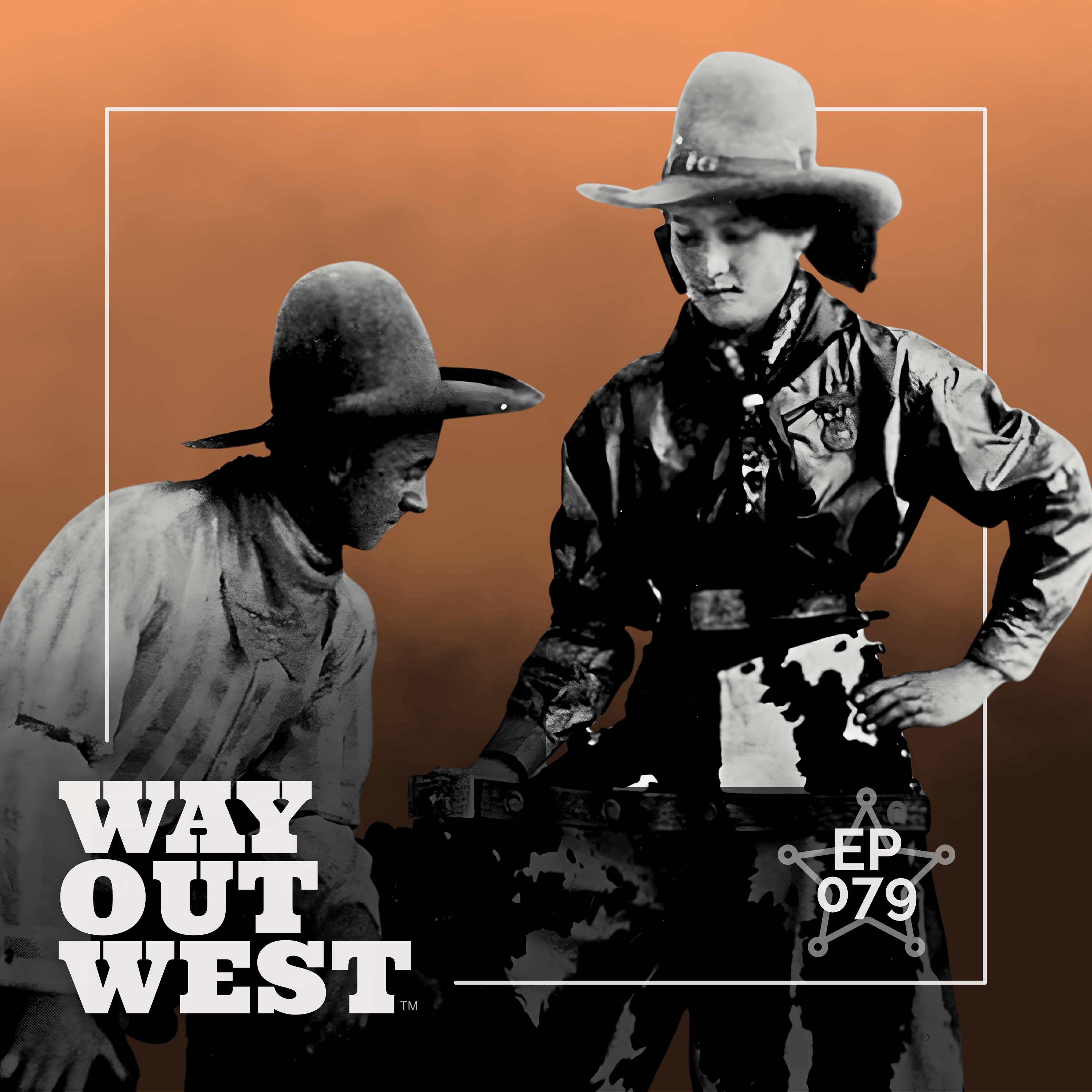
79
Feb. 11, 2026
Fannie Sperry Steele: Skill That Couldn’t Be Denied
Before rodeo was a sport, bronc riding was a test of usefulness. No scorecards. No exceptions. Just a saddle, a gate, and a horse that would expose every mistake you made. In this episode of Way Out West, we tell the story of Fannie Sperry Steele, a Montana horsewoman whose skill in the saddle was so undeniable that even a world built for men had to take notice. Raised in ranch country and hardened by real work, she entered the 1912 World’s Championship Bronc Riding Contest under the same rules...
78
Feb. 4, 2026
How Cowboys Faced Sickness, Injury, and Death on the Trail
On the open cattle trail, sickness and injury weren’t inconveniences; they were life-threatening emergencies. There were no hospitals. No ambulances. No doctors for hundreds of miles. A twisted ankle, a bad fall, or a high fever could end a career or a life. In this episode of Way Out West, follow a late-1800s cattle drive north out of Texas to explore how cowboys faced illness, accidents, and death with little more than grit and improvisation. From frontier “medicine” and makeshift surgeries...
77
Jan. 28, 2026
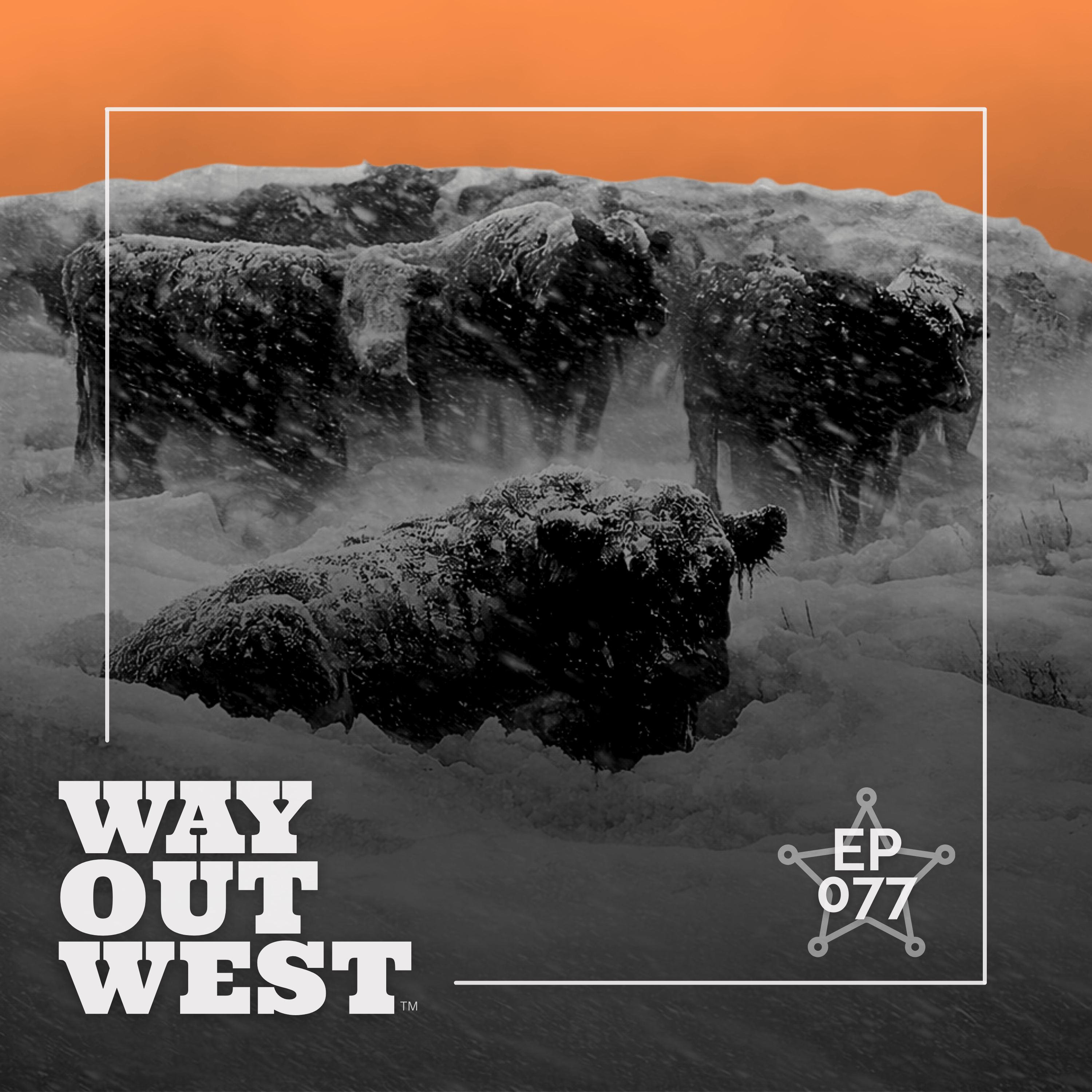
When Winter Broke the Range: The Great Plains Blizzards of the 1880s
In the late 1880s, a series of brutal blizzards swept across the Great Plains, catching cowboys and ranchers completely unprepared. Temperatures plunged. Snow buried the grass. Herds vanished almost overnight. In this episode of Way Out West, explore the true story of the Great Plains blizzards of 1886–1887 and how one catastrophic winter ended the era of the open range. We look at why ranchers were unprepared, how cowboys fought to save their herds, and how the disaster reshaped Western ranchi...
76
Jan. 21, 2026
Encore Episode - Cowboy Poetry: How the West Found Its Voice
Editor’s Note: This is an encore presentation of Cowboy Poetry: How the West Found Its Voice, originally released in May 2025. With the National Cowboy Poetry Gathering beginning this week, it felt like the right moment to revisit the roots of cowboy poetry and the voices that continue to shape Western culture. You can also find a full guide to the best Western events happening in 2026, including this gathering, on the Way Out West blog. Cowboy poetry is more than performance; it’s how the wor...
75
Jan. 14, 2026
Riding Night Guard: Watching Cattle While the Rest of the World Sleeps
When the herd was bedded down and the camp finally went quiet, the work wasn’t over. In this episode of Way Out West, ride into the darkest hours of the cattle trail to explore night guard, the lonely, skilled, and often unseen job of watching cattle while the world slept. From slow circles in the saddle to low songs sung in the dark, riding night guard was about calm, patience, and responsibility when no one else was watching. This is the story of the cowboys who stayed awake, the music that...
74
Jan. 7, 2026
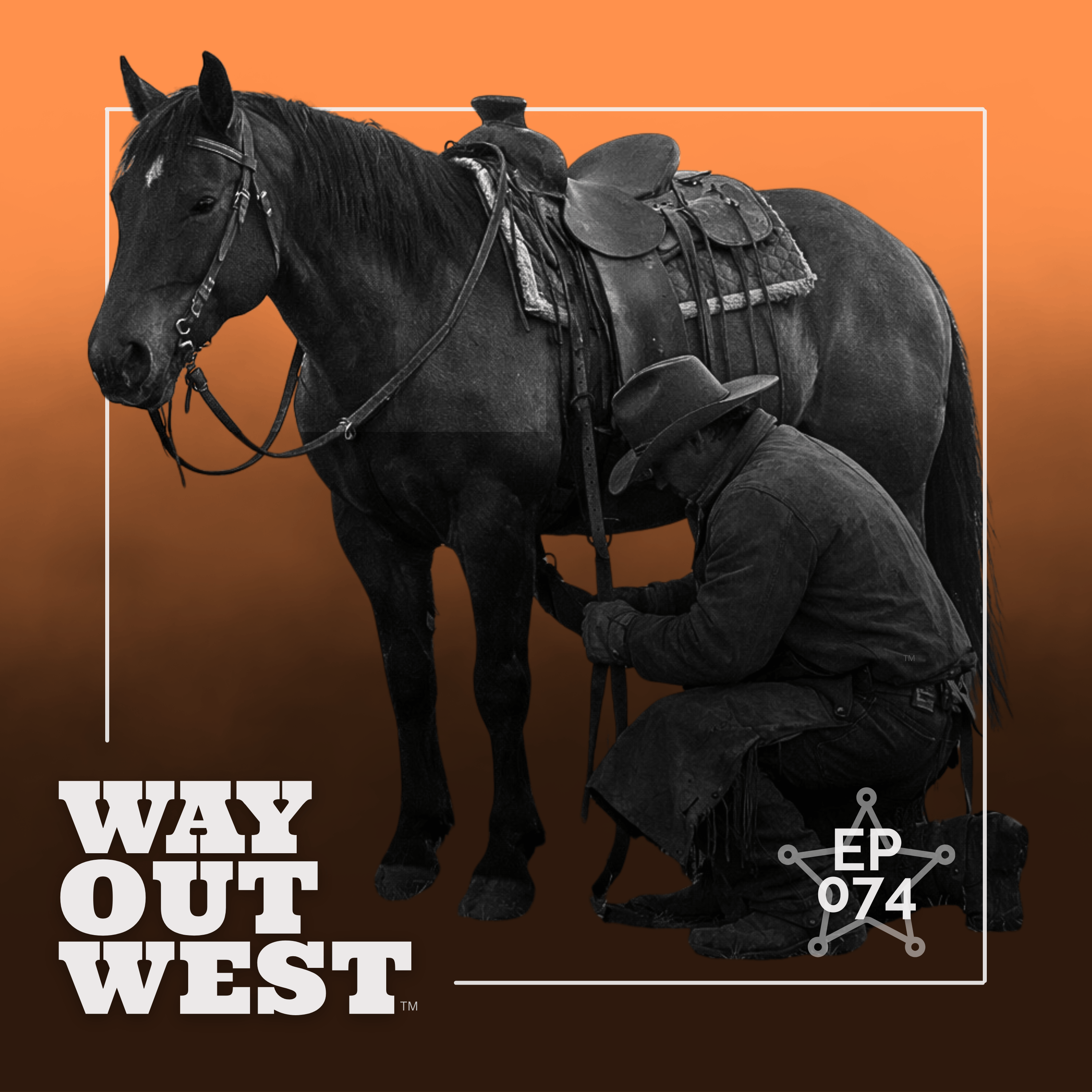
The Next Day: How Cowboys Went Back to Work on the Trail
"The work didn’t end when the herd bedded down… sometimes, that’s when the real work began." The Next Day: How Cowboys Went Back to Work on the Trail After a long night, there was no easing into the morning—just more miles to cover There’s a moment people don’t often think about. The morning after. After the dust.After the long push.After a night where sleep came in short stretches—if it came at all. Because when the sun came up, the work didn’t reset. It continued. In this episod...
73
Dec. 24, 2025
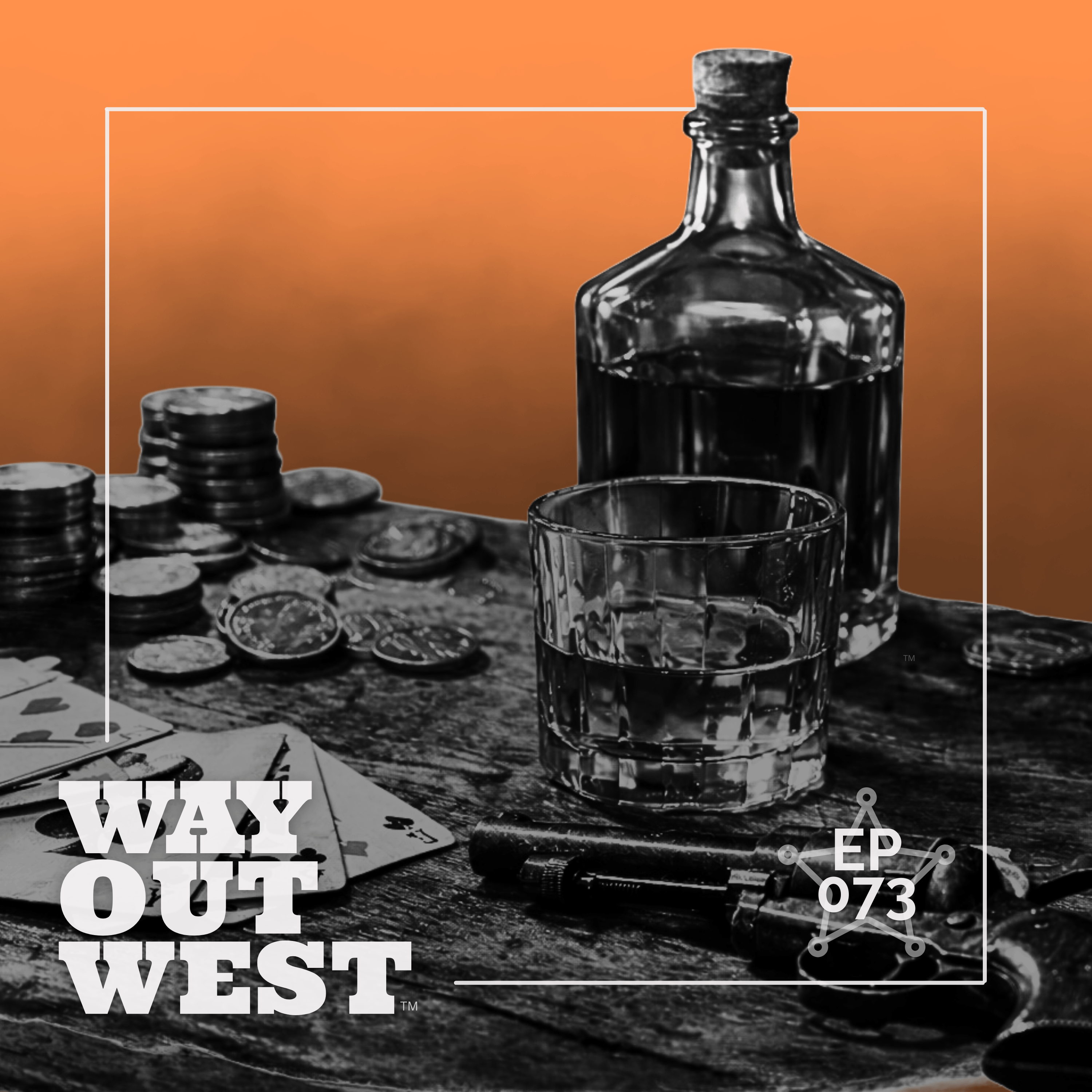
When Cowboys Came to Town: Boardwalks, Saloons, and Bad Decisions
After months on the open range, cowboys finally rode into town, and everything changed. Boardwalks filled with dust-covered riders flush with pay. Saloons swung open. Cards hit the tables. Whiskey flowed. For a few wild nights, the discipline of the trail gave way to noise, temptation, and release. In this episode of Way Out West, step off the range and into the frontier towns that came alive when the trail ended. Explore what really happened when cowboys hit town, inside saloons and gambling...
72
Dec. 10, 2025
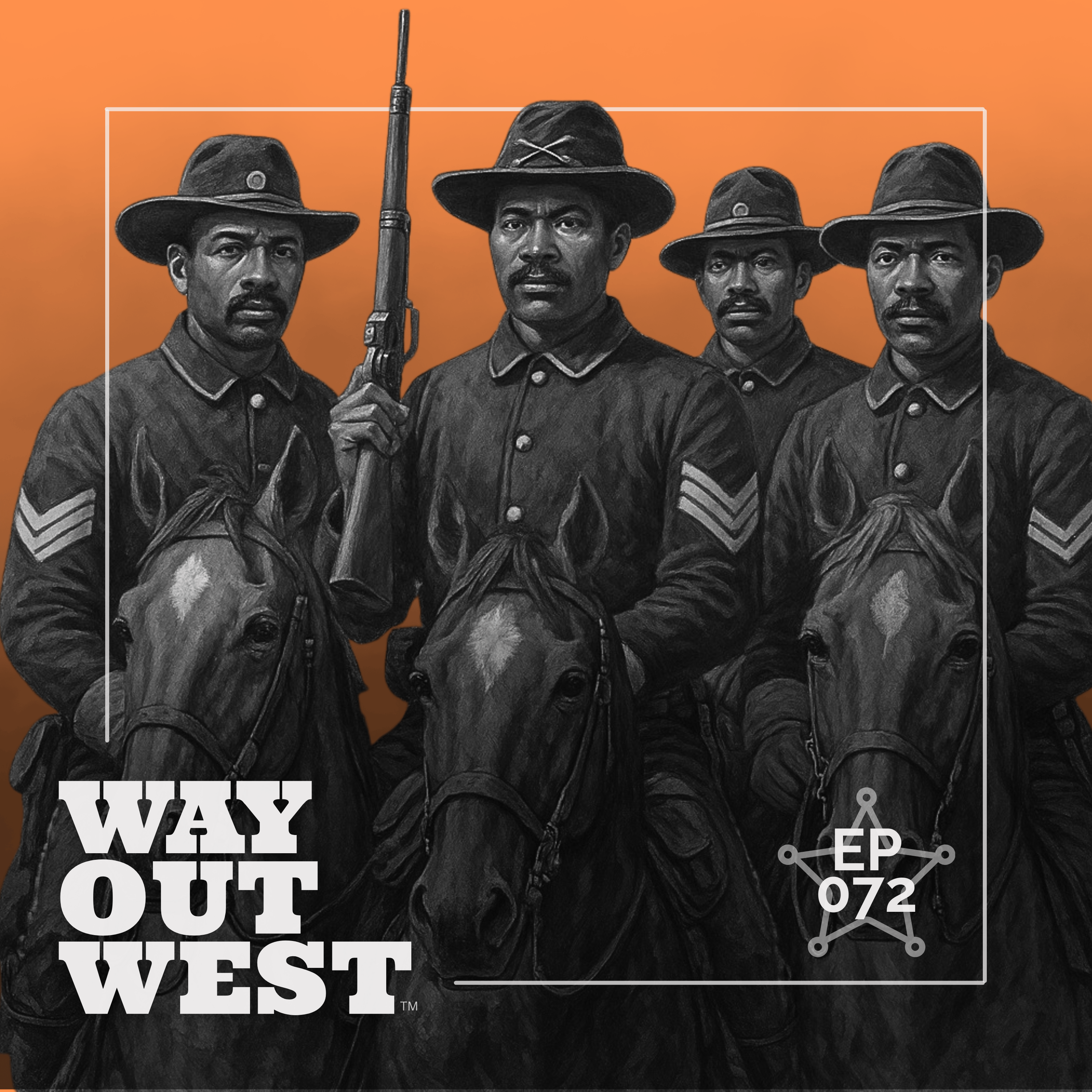
Buffalo Soldiers: Grit, Glory, and an Unbreakable Legacy
The Buffalo Soldiers rode the harshest country in the West, took the toughest assignments, and built a legacy America is only now beginning to fully appreciate. In this episode, ride into their world, from the post–Civil War cavalry camps to the long marches, fierce battles, and quiet acts of courage that defined these legendary troopers. Discover why Plains tribes named them “Buffalo Soldiers,” how they shaped frontier history, and why their story still echoes across the American West today. ...
71
Dec. 3, 2025
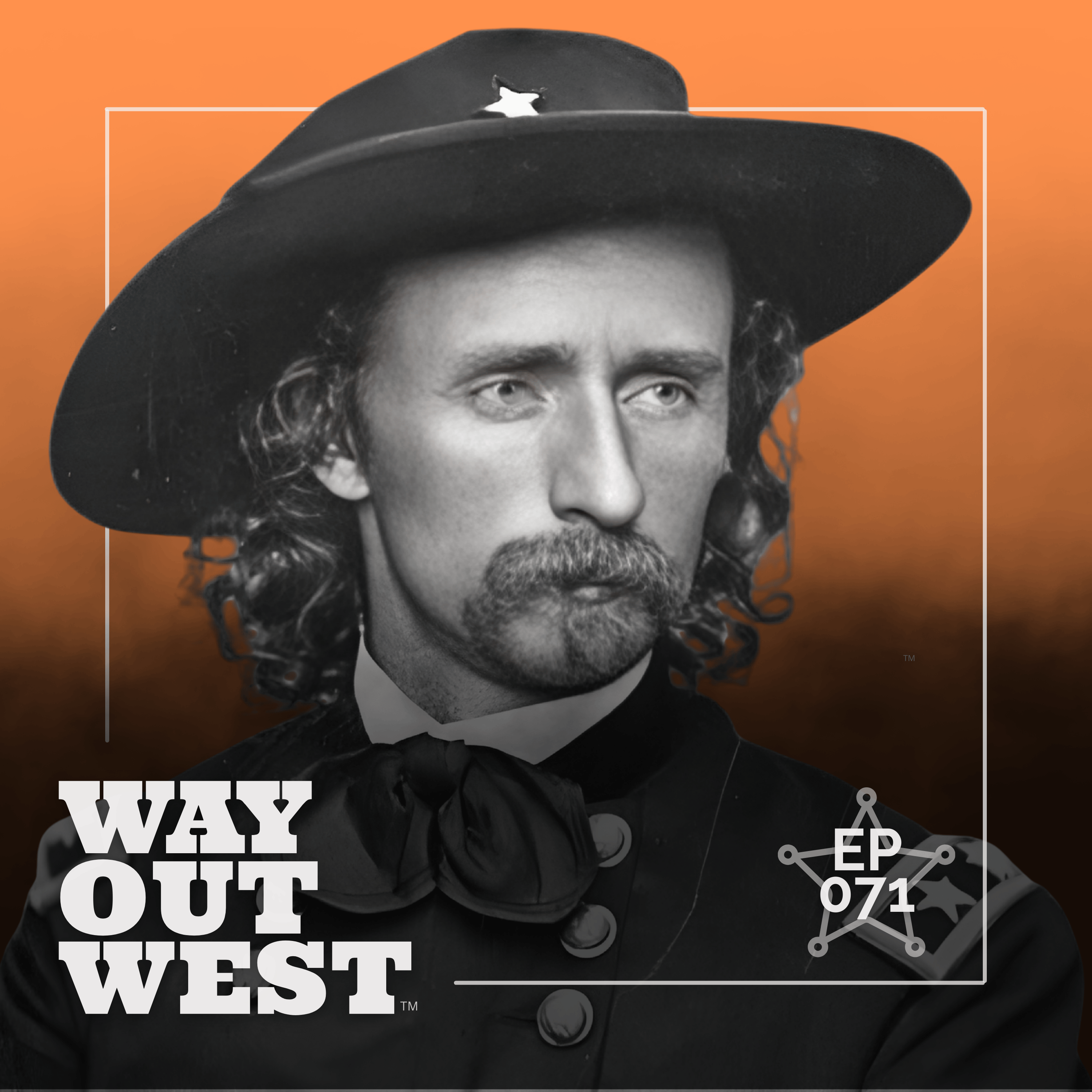
The Life of Kit Carson: Scout, Pathfinder, Complicated Legend
Scout. Pathfinder. Mountain man. Kit Carson helped map the West—but his story is far more complicated than legend suggests. In this episode, we explore the grit, contradictions, and legacy of one of the frontier’s most fascinating figures. Transcript: For a full transcript of this episode, click on "Transcript" Your Turn! Share your thoughts → howdy@ridewayoutwest.com Support the Show: Buy me a coffee → https://buymeacoffee.com/thecowboycpa Follow Along: Instagram → https://www.instagram.com/R...
70
Nov. 26, 2025
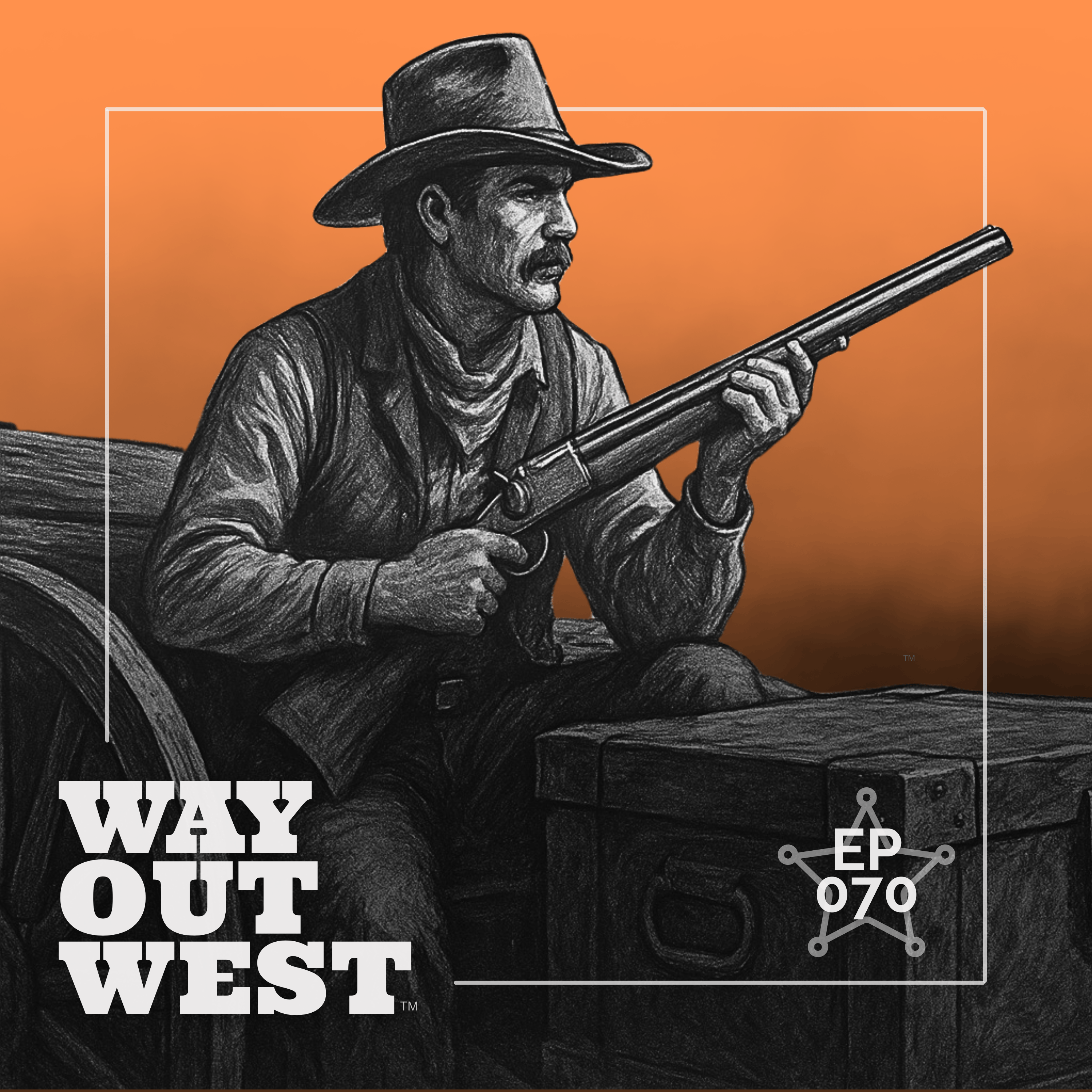
Riding Shotgun: The Deadliest Job in the Old West
Riding shotgun wasn’t just a seat on a stagecoach — it was the most dangerous job in the Old West. This week on Way Out West, climb up onto the box seat to hear the story of the fearless shotgun messengers who guarded gold shipments, stared down outlaw gangs, and rode through ambush country with a double-barreled shotgun across their knees. You’ll hear how these men were chosen, the weapons they carried, the tactics they used, and what really went down when a robbery struck without warning. F...
69
Nov. 19, 2025
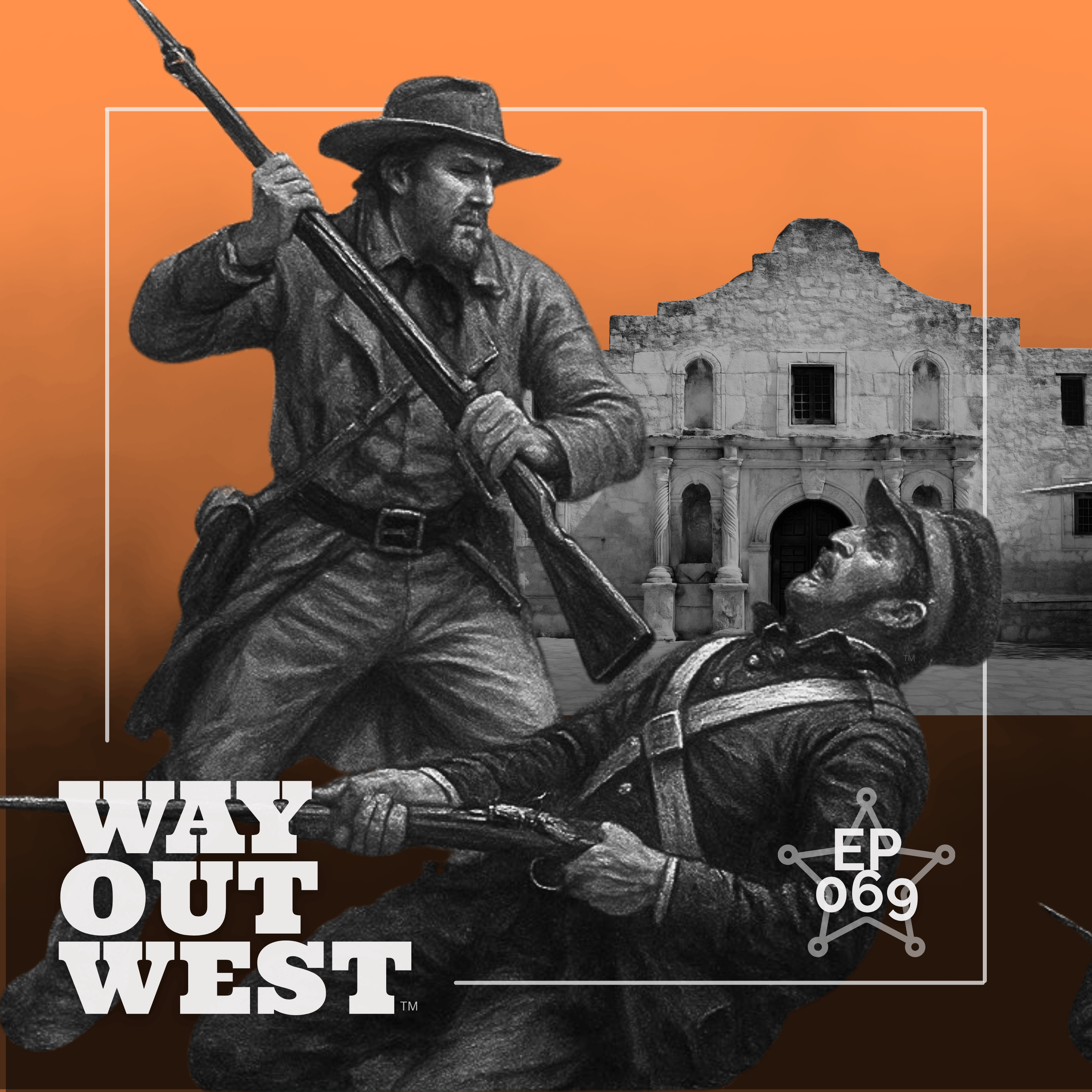
The Alamo: Thirteen Days That Changed America Forever
Relive the thirteen days that changed America forever. In this immersive episode, we step inside the Alamo as a small band of Texians, Tejanos, and frontiersmen hold their ground against Santa Anna’s army. Through moment-by-moment storytelling, we follow the siege from the first cannon blast to the final predawn assault, and then explore how this pivotal battle shaped Texas independence and set the United States on a path toward westward expansion. A gripping blend of history, courage, and the ...
68
Nov. 12, 2025
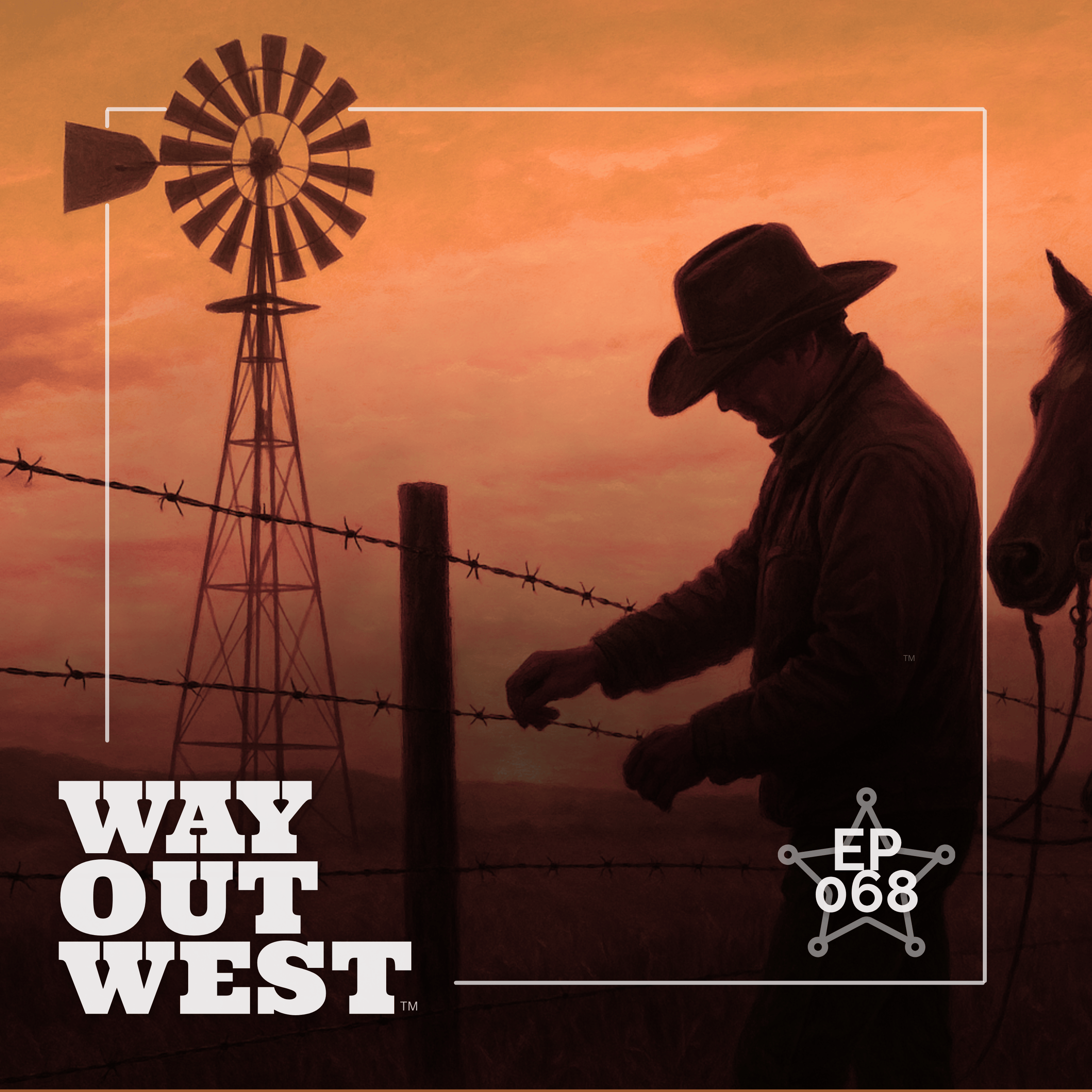
Windmills and Fences: How Technology Tamed the Open Range
Before there were fences, the range was open and wild. It was a place where cowboys rode for days across endless grasslands, always chasing water and weather. Then came two inventions that changed everything. The windmill brought water to dry country, making ranching possible where rivers couldn’t reach. Barbed wire drew the lines that ended the open range and reshaped the cowboy’s world forever. In this episode of Way Out West, learn the story of how technology tamed the range — from Daniel H...
67
Nov. 5, 2025
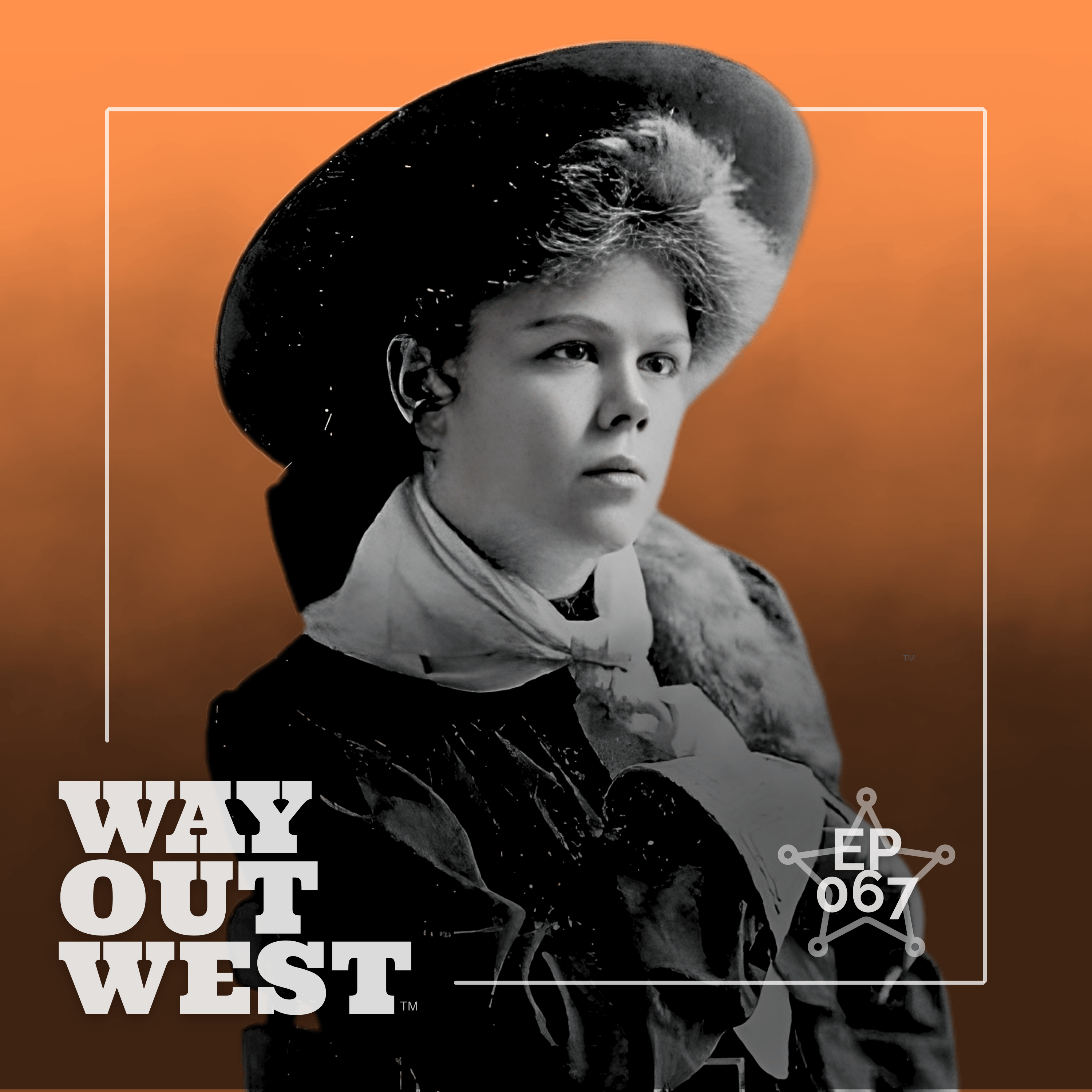
Lucille Mulhall: America’s First Cowgirl
Long before rodeo queens and arena spotlights, there was Lucille Mulhall. The Oklahoma ranch girl who could rope circles around any cowboy in the West. From dusty cattle roundups to the bright lights of Buffalo Bill’s Wild West Show, Lucille redefined what it meant to be a woman on horseback. This episode of Way Out West takes a ride through her story of grit, glory, and the birth of the American cowgirl. Transcript: For a full transcript of this episode, click on "Transcript" Your Turn! Shar...