The Real Origins of the Cowboy: What We Get Wrong About Cowboy History
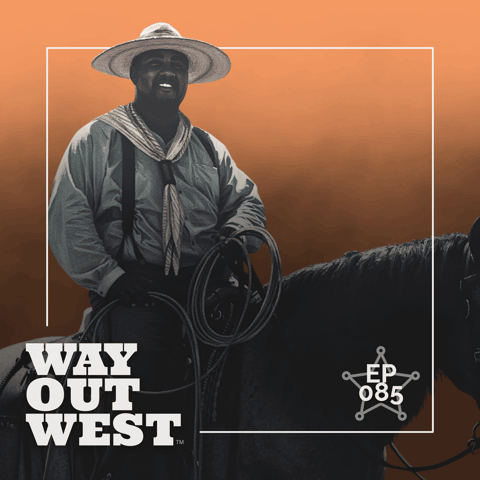
The American cowboy didn’t begin on the frontier. Long before cattle drives and open ranges, Mexican vaqueros and Indigenous horse cultures shaped the skills, tools, and traditions that cowboys would inherit—revealing a deeper, more connected story of the West.


The Real Origins of the Cowboy: What We Get Wrong About Cowboy History
The cowboy didn’t begin on the American frontier; he was shaped by Mexican vaqueros, Indigenous horse cultures, and traditions that came long before.
The American cowboy didn’t begin on the frontier. Long before cattle drives and open ranges, Mexican vaqueros and Indigenous horse cultures had already developed the skills, tools, and traditions that defined life on horseback in the West.
Out on the frontier, cultures didn’t exist in isolation. Spanish, Mexican, and Indigenous influences overlapped, blended, and shaped what would later become the American cowboy. But over time, that story was simplified—leaving out the deeper roots that made it possible.
In this episode of Way Out West, we take a closer look at the real origins of the cowboy and explore why the story is bigger, older, and more
In This Episode, You'll Learn:
- The origins of the vaquero tradition in Spain and Mexico
- How Mexican vaqueros shaped cowboy gear, language, and technique
- The role of Indigenous horse cultures in the American West
- Why the cowboy is an heir to tradition—not an invention
- How history simplified the story of the cowboy over time
- What gets lost when we flatten the story of the West
- The meaning of a “braided” cultural history on the frontier
- How Anglo cowboys learned from existing ranching traditions
- Why understanding origins changes how we see the cowboy today
- The lasting influence of vaquero culture on modern ranching
- Where cowboy language and terminology really come from
- Why the full story of the West is richer—and more connected—than we often think
🐎 Cowboy Glossary – Term of the Week
Rosette (la roseta): A small, circular leather disk found on a western stock saddle, with slits that allow saddle strings or thongs to pass through—helping secure the saddle skirt to the saddletree. Rooted in Mexican vaquero tradition, the rosette is a simple, functional piece of saddle design that reflects the craftsmanship and practicality passed down to the American cowboy.
🎧 Listen & Subscribe
Subscribe to Way Out West for weekly stories of cowboy life, ranching history, and the traditions that shaped the American West.
Transcript: For a full transcript of this episode, click on "Transcript"
Your Turn: Share your thoughts → howdy@ridewayoutwest.com
Support the Show: Buy me a coffee → https://buymeacoffee.com/thecowboycpa
Follow Along: Instagram → https://www.instagram.com/RideWayOutWest
02:01 - Chapter 1 — The Myth We Tell Ourselves
02:33 - Chapter 2 — The Vaquero Foundation
03:41 - Chapter 3 — Skill, Not Myth
04:29 - Chapter 4 — Indigenous Horse Culture
05:38 - Chapter 5 — The Braided West
06:15 - Chapter 6 — Enter The American Cowboy
07:12 - Chapter 7 — What Gets Lost
09:44 - Chapter 8 — Why It Matters
10:18 - Chapter 9 — Respecting The Roots
10:48 - Chapter 10 — The Modern West
11:10 - Chapter 11 – Closing Thoughts
11:42 - Chapter 12 - Buster the Bull and Cowboy Glossary Term of the Week
12:48 - Chapter 13 - Thanks for Listening
We like to believe the cowboy started with us.
That somewhere out on the frontier…
America invented something entirely new.
But the more time you spend around this life—
the horses…
the gear…
the language—
The more you start to notice something.
Pieces of it don’t point forward.
They point back.
To people…
and places…
that came long before the American cowboy ever rode.
[MUSIC]
Howdy. Chip Schweiger, here.
Welcome to another edition of Way Out West.
Where the stories of the American West are told…
Cowboy wisdom is earned…
And the legacy of the American cowboy still rides on.
When you picture a cowboy…
what do you see?
Wide-brim hat.
Boots in the stirrups.
Maybe a bedroll tied behind the saddle.
Driving cattle across an open horizon.
It feels American.
It feels original.
It feels like something that started right here—
on this soil.
But here’s the truth.
That picture?
Didn’t start in America.
Not even close.
So, this week we’re discussing the true origins of the cowboy—
and what we tend to get wrong about where that story really begins.
You’ll want to pull up a chair for this one, because it’s gonna be good.
After the episode, check out the show notes at WayOutWestPod.com/real-origins
Chapter 1 — The Myth We Tell Ourselves
Welcome back
In modern society,
We like clean stories.
We like origin stories that begin with us.
The American cowboy…
rugged… independent… born out of the frontier.
But that version?
It’s incomplete.
Because long before the first Anglo cowboy rode north out of Texas…
there were already men on horseback…
working cattle…
handling rope…
living this life.
And they didn’t call themselves cowboys.
They were called vaqueros.
Chapter 2 — The Vaquero Foundation
The story really begins in Spain.
Cattle. Horses. Ranching traditions.
Then it crosses the ocean.
Into Mexico.
And from there…
into what would become Texas, New Mexico, Arizona, and California.
By the 1500s—
this culture is already taking shape.
Spanish riders…
developing methods for managing cattle across wide, dry country.
They refined it.
They lived it.
They passed it down.
And over time, those Spanish traditions became something uniquely Mexican.
The vaquero.
Now consider this.
Almost everything you associate with a cowboy?
Came from them.
The saddle.
The rope.
The techniques.
Even the language.
- Rodeo comes from rodear — to round up
- Bronco from bronco — rough horse
- Chaps from chaparreras
That’s not coincidence.
That’s lineage.
Chapter 3 — Skill, Not Myth
Vaqueros weren’t just early cowboys.
They were elite horsemen.
Highly skilled.
Precise.
Deliberate.
They worked cattle in rough country long before barbed wire.
Long before railroads.
Long before the cattle drives Americans romanticize.
They had to.
Because survival depended on it.
Think about this.
You don’t develop that kind of horsemanship overnight.
You don’t figure out roping techniques by accident.
That knowledge is earned.
Refined.
Passed from one generation to the next.
And by the time Anglo settlers arrived in large numbers…
That system?
Was already built.
Chapter 4 — Indigenous Horse Culture
But even that’s not the full story.
Because there’s another thread in this braid.
Indigenous peoples.
Horses arrive in the Americas with the Spanish.
But they don’t stay contained.
They spread.
Fast.
Across the plains.
Across the desert.
Into the hands of Native tribes.
And something remarkable happens.
Cultures that had never had horses before…
Adapt.
And not slowly.
They become some of the finest horsemen the world has ever seen.
The Comanche.
The Apache.
The Lakota.
They didn’t just use horses.
They mastered them.
For hunting.
For travel.
For warfare.
For life.
They developed riding styles…
Training methods…
A relationship with the horse that was different from European traditions.
More fluid.
More instinctive.
Deeply connected.
And here’s the part that often gets missed.
That influence?
Didn’t stay separate.
It blended.
Chapter 5 — The Braided West
Out on the frontier…
Cultures didn’t stay in neat lines.
They overlapped.
They borrowed.
They learned from each other.
Sometimes peacefully.
Sometimes not.
But the exchange happened.
Vaqueros.
Indigenous horsemen.
Spanish traditions.
Mexican ranch culture.
And later…
Anglo settlers.
That’s the real origin of the cowboy.
Not a single invention.
A braid.
And the American cowboy?
Is the inheritor of that braid.
Not the beginning of it.
Chapter 6 — Enter The American Cowboy
After the Civil War…
Everything changes.
Texas is full of cattle.
The railheads are north.
Demand is high.
And now…
You need cowboys.
A lot of them.
So who teaches the work?
Who already knows how to handle cattle?
How to rope?
How to ride all day…
and then do it again tomorrow?
Vaqueros.
Mexican cowboys.
They become the backbone of early cattle work in the American West.
Teaching techniques.
Sharing knowledge.
Passing down a system that had already been refined over centuries.
And Anglo cowboys?
They learn it.
Adapt it.
Carry it north.
That’s how the great cattle drives happen.
That’s how the image we recognize takes shape.
But by then…
The roots were already deep in the ground.
Chapter 7 — What Gets Lost
So why don’t we talk about this more?
Why does the story get simplified?
Because over time…
Stories get polished.
Edges get smoothed out.
And credit—
Doesn’t always travel with the truth.
Part of it is timing.
By the late 1800s…
the American West is closing.
And just as it does—
The storytelling begins.
Dime novels.
Wild West shows.
Later—Hollywood.
And those stories needed something simple.
Something clear.
Something people could recognize right away.
So the cowboy became…
American.
Singular.
Self-made.
But in doing that—
Pieces of the story were left behind.
The Spanish words stayed…
But the origins faded.
We kept the gear…
but forgot who built it first.”
The techniques stayed…
But the people who perfected them became footnotes.
And over time—
The cowboy stopped being part of a larger tradition…
And started being treated like the beginning of one.
But history doesn’t really work that way.
Because out on the frontier…
Nobody was operating in isolation.
Anglo cowboys learned from Mexican vaqueros.
They rode alongside them.
Worked the same cattle.
Used the same methods.
And in many places—
They depended on that knowledge.
At the same time—
They were riding through lands shaped by Indigenous horse cultures.
Watching.
Adapting.
Learning—whether they admitted it or not.
This wasn’t a clean handoff.
It was overlap.
And overlap…
Is harder to turn into a simple story.
So instead—
We got a version that was easier to tell.
But not quite as true.
And maybe that’s the real loss.
Because when you strip away the layers…
When you flatten the story…
You don’t just lose accuracy.
You lose depth.
You lose the understanding that the West—
Like most things worth studying—
Was built through exchange.
Through influence.
Through people learning from each other in ways that weren’t always written down.
And once you see that…
You can’t really unsee it.
Because suddenly—
The cowboy isn’t standing alone anymore.
He’s part of something older.
Something broader.
Something shared.
And that doesn’t diminish the story.
It completes it.
Chapter 8 — Why It Matters
Now you might be thinking—
Alright… that’s interesting history.
But why does it matter?
It matters because understanding where something comes from…
Changes how you see it.
The cowboy isn’t just an American invention.
It’s part of a much longer story.
One that crosses borders.
Languages.
Cultures.
And when you understand that…
You start to see the West differently.
Not as a blank canvas.
But as a place shaped by many hands.
Chapter 9 — Respecting The Roots
There’s a certain humility in all of this.
Because the cowboy way of life…
The skills.
The traditions.
The gear.
The language.
They weren’t built in a vacuum.
They were learned.
Borrowed.
Refined.
And passed on.
That doesn’t make the American cowboy any less important.
If anything—
It makes the story stronger.
Because it means this way of life…
Was worth adopting.
Worth continuing.
Worth preserving.
Chapter 10 — The Modern West
Even today…
You can still see it.
In the way a rope is handled.
In the way a horse is trained.
In the Spanish words still used on working ranches.
In places across Texas…
New Mexico…
Arizona…
California…
That legacy?
Is still alive.
It didn’t disappear.
It just became part of something bigger.
Chapter 11 – Closing Thoughts
So the next time you picture a cowboy…
Picture the full story.
Picture the vaquero…
Working cattle under a Spanish sun.
Picture the Indigenous rider…
Moving across open land with a horse that changed everything.
Picture the frontier…
Not as a beginning—
But as a meeting place.
Because the American cowboy…
Was never the start of the story.
Just one chapter in it.
And maybe…
One of the best things we can do…
Is remember the chapters that came before.
Chapter 12 - Buster the Bull and Cowboy Glossary Term of the Week
Before we close out for this week, we’ve got one more thing…
Yep, that distinctive call from Buster the Bull means it’s time for our Cowboy Glossary Term of the Week.
And this week’s term is ROSETTE
A rosette is a circular leather disk found on a western stock saddle, typically with two slits that allow saddle strings or thongs to pass through. These help secure the saddle skirt to the saddletree and keep everything tight and in place under hard use.
But like so much in the cowboy’s world…
the rosette didn’t start here.
It traces back to Mexican vaquero tradition.
la roseta was part of a saddle design built for function first, shaped by long days, rough country, and the need for gear that wouldn’t fail.
Simple. Durable. Purpose-built.
It’s easy to overlook a small piece of leather like that.
But it’s another reminder—
The cowboy didn’t invent the system.
He inherited it.
Chapter 13 - Thanks for Listening
Well, that’s about all for this episode of Way Out West.
I appreciate you spending part of your day with me.
If you enjoyed this episode of Way Out West…
Make sure you’re subscribed wherever you get your podcasts. And
consider dropping us a quick review on Apple or Spotify.
That helps us reach more fans of the American West.
Next time on Way Out West—
Nobody filled out an application to become a cowboy.
No résumé.
No interview.
No job posting nailed to a board.
Out here…
Your reputation was your introduction.
Your grit was your credential.
And your word—
Was the only contract that mattered.
Until next time, this is Chip Schweiger, reminding you to
Keep your cinch tight…
your loops handy…
…and your eyes on the horizon.
We’ll see ya down the road