The Next Day: How Cowboys Went Back to Work on the Trail
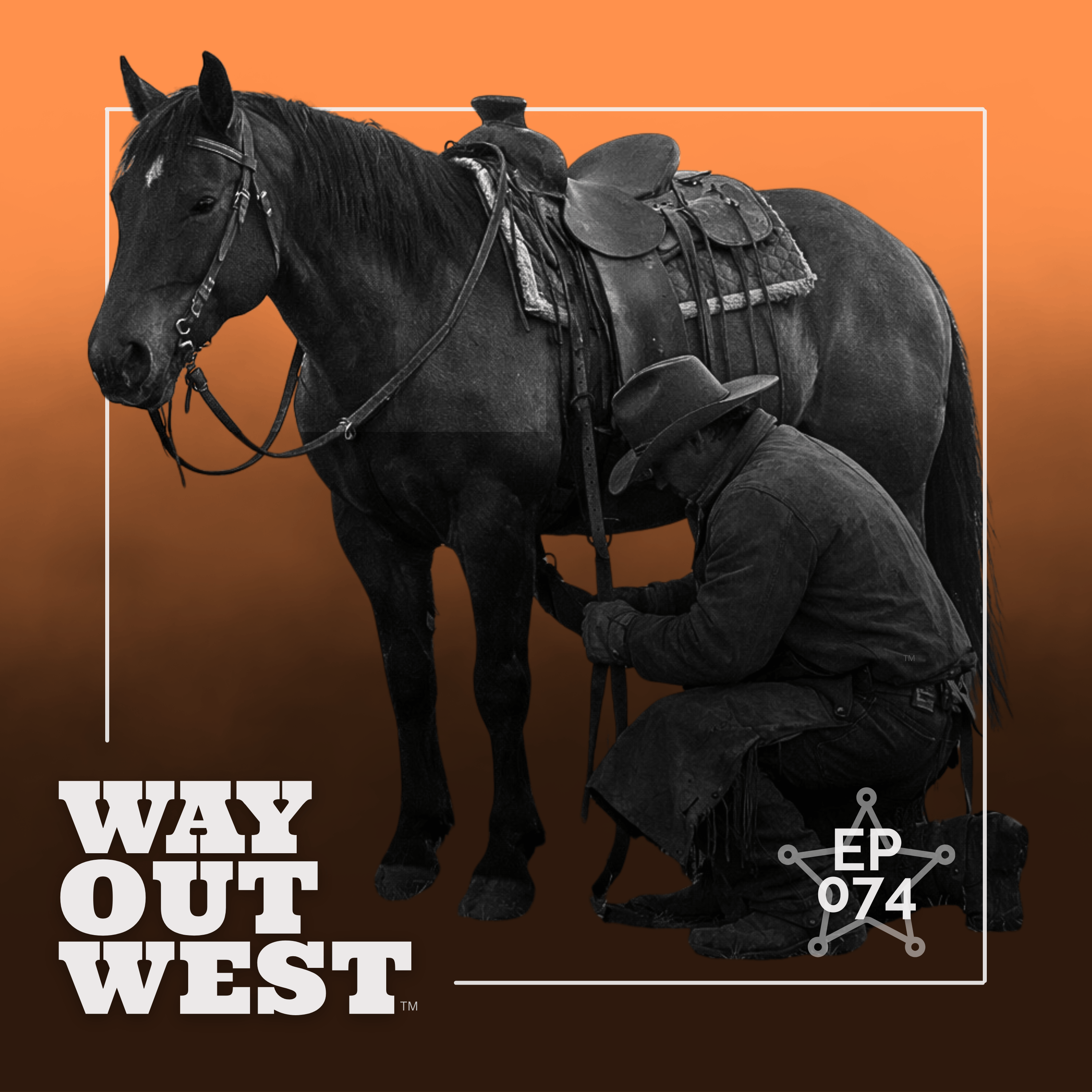
"The work didn’t end when the herd bedded down… sometimes, that’s when the real work began."
The Next Day: How Cowboys Went Back to Work on the Trail
After a long night, there was no easing into the morning—just more miles to cover
There’s a moment people don’t often think about.
The morning after.
After the dust.
After the long push.
After a night where sleep came in short stretches—if it came at all.
Because when the sun came up, the work didn’t reset.
It continued.
In this episode of Way Out West, we step into that next day on the trail—the reality of getting up, saddling again, and pushing forward when your body’s already worn down, and the job still isn’t finished.
Because out on the drive, there was no such thing as starting fresh.
Only continuing on.
From the Saddle
This one feels familiar in a different way. Not just cowboying—but life in general.
There’s something about the idea of getting up and going again, even when you’re already tired, that carries beyond the trail. The cowboys didn’t get to wait until they felt ready. They just got back on the horse.
What You’ll Hear
- What mornings looked like after long days and short nights on the trail
- How cowboys managed exhaustion while still doing precise work
- The routine of breaking camp and getting the herd moving again
- Why consistency mattered more than comfort
- What it took to keep going when the work didn’t let up
Cowboy Glossary Term of the Week
Remuda
The herd of spare horses a cattle outfit carried on the trail, allowing cowboys to switch mounts and keep working even as individual horses tired.
Ride Way Out West
If you’re enjoying the rhythm of life on the trail, there’s more ahead.
- Subscribe so you never miss an episode
- Buy a cup of coffee → https://buymeacoffee.com/thecowboycpa
- Follow along → https://www.instagram.com/RideWayOutWest
And if this episode reminded you of what it means to keep going—share it with someone who needs to hear it.
Because sometimes, the real story isn’t about the start.
It’s about showing up again the next day.
03:03 - Chapter 1: The Town at Daybreak
03:54 - Chapter 2: Consequences Don’t Stay in Town
04:41 - Chapter 3: Back in the Saddle
05:25 - Chapter 4: Why Cowboys Didn’t Linger
05:58 - Chapter 5: A Different Kind of Justice
06:26 - Chapter 6: The Trail as a Reset
06:55 - Chapter 7: Closing Reflections
07:23 - Chapter 8: Buster the Bull & the Cowboy Glossary Term of the Week
07:59 - Chapter 9: Thanks for Listening
The sun comes up the same way it always does.
Slow.
Unbothered.
Honest.
It doesn’t care who won a hand of cards last night.
Or who lost a month’s wages.
Or who’s nursing a headache, a regret, or a bruised knuckle.
Morning light spills down the street.
Overturned chairs.
Boot prints in the dust.
A saloon door that creaks once… then settles.
This is the morning after.
And out here, the trail doesn’t wait.
[MUSIC]
Howdy. Chip Schweiger, here.
Welcome to another edition of Way Out West—
the podcast that takes you on a journey through the stories of the American West,
brings you the very best cowboy wisdom,
and celebrates the legacy of the American cowboy
Morning comes soft on the frontier.
Not with bells or whistles.
Not with forgiveness or judgment.
Just light.
It slides over the tops of buildings,
settles into the dust of the street,
and finds its way through the cracks of a town that hasn’t quite woken up yet.
A hitching rail stands empty.
A boot heel scuffs the boardwalk where laughter echoed only hours before.
Somewhere, a saloon door sways once—
then grows still.
The night has passed.
What’s left behind isn’t the noise…
it’s the truth.
Because in the West, the real story never belonged to the night before.
It belonged to the morning after—
when the music was gone,
the whiskey was warm,
and the trail was already waiting.
So, this week we’re riding into that quiet moment—
the space between town and trail,
between celebration and responsibility,
between who a cowboy was last night
and who he had to be when the sun came up.
After the episode, check out the show notes at WayOutWestPod.com/the-next-day
[MUSIC]
Welcome back.
Last time, we rode into town together.
Boardwalks.
Bright lights.
Bad decisions.
We talked about what happened when cowboys finally came off the trail—
flush with pay, hungry for noise,
and looking to spend a little hard-earned freedom.
But every night in town has a morning after.
And this story—
the real story—
doesn’t end in the saloon.
It ends with a sunrise…
and a long ride back out.
Chapter 1: The Town at Daybreak
Towns looked different in the morning.
Quiet where they’d been loud.
Dusty where they’d been electric.
Honest again.
The piano was silent.
The whiskey bottles sat exactly where they’d been abandoned.
And the street—
the same street that had been full of laughter, shouting, and trouble—
was suddenly just dirt and wood again.
Cowboys stepped out into that stillness one by one.
Some moved slow.
Some moved stiff.
Some moved with purpose.
They gathered their gear.
Paid tabs—if they were lucky.
Avoided eye contact—if they weren’t.
And then they turned their backs on town.
Because the cattle were still out there.
Chapter 2: Consequences Don’t Stay in Town
What happened in town didn’t always stay in town.
A lost paycheck meant a lean season ahead.
A busted hand made roping harder for weeks.
A bad fight could cost a job—or a life.
Trail bosses didn’t care much for excuses.
You showed up ready…
or you didn’t show up at all.
Out on the open range, there was no room for the baggage of last night’s choices.
The work was immediate.
The weather was unforgiving.
And the cattle didn’t care how good the whiskey tasted.
The trail had a way of stripping things back to basics.
Could you ride?
Could you work?
Could you keep up?
Nothing else mattered.
Chapter 3: Back in the Saddle
A cowboy’s real life wasn’t in town.
It was measured in miles.
In blisters.
In long, quiet hours staring at the horizon.
Back on the trail, the noise faded fast.
No applause.
No music.
No audience.
Just hoofbeats.
Wind.
And the low murmur of cattle.
Men rode alongside one another in silence—not because they had nothing to say, but because some things didn’t need saying.
Mistakes were carried quietly.
Lessons were learned the same way.
And if you messed up in town?
The trail gave you time to think about it.
Plenty of time.
Chapter 4: Why Cowboys Didn’t Linger
Cowboys didn’t romanticize town the way we do today.
Town was temporary.
The trail was permanent.
They understood something simple:
Fun had its place.
But responsibility always came calling.
And when it did, it didn’t knock politely.
It showed up at dawn.
The West didn’t reward excuses.
It rewarded reliability.
You were only as good as your next day’s work.
Chapter 5: A Different Kind of Justice
There were no speeches on the trail.
No moral lessons delivered around the fire.
Life itself did the teaching.
If you stayed up too late—
you rode tired.
If you spent too much—
you went without.
If you picked the wrong fight—
you felt it every mile afterward.
That was frontier justice.
Quiet.
Consistent.
Unavoidable.
Chapter 6: The Trail as a Reset
In a strange way, the trail offered redemption.
Every morning was a reset.
Every ride forward was a chance to do better.
No one asked about last night.
They asked if you were ready now.
And most cowboys were.
They swung into the saddle.
Adjusted their hats.
And rode on.
Because dwelling on yesterday didn’t move cattle forward.
Chapter 7: Closing Reflections
The morning after tells us more about the West than the night before ever could.
Anyone can live loud for a few hours.
Not everyone can show up the next day.
Out here, character wasn’t proven by how you celebrated—
but by how you rode away.
The trail didn’t care who you were last night.
It only cared who you were now.
Chapter 8: Buster the Bull & the Cowboy Glossary Term of the Week
OK, before we saddle up and right outta for this week, we’ve got one more thing.
Yep, that distinctive call from Buster the Bull means it’s time for the cowboy glossary term of the week. And this week’s term is Burnin’ Daylight.
And Burnin’ Daylight is a term a lot of us still use to this day, and it’s a phrase used to remind someone that time is wasting—and work won’t wait.
If you heard it in the morning, it meant one thing:
Whatever you did last night doesn’t matter
it’s time to get moving.
Chapter 9: Thanks for Listening
Well, that’s about all for this episode of Way Out West.
I appreciate you spending part of your day with me—and hope you enjoyed getting back onto the trail where every cowboy belongs.
If you enjoyed the show, please consider sharing it with a friend who loves a good Western tale. That helps us reach more fans of the American West.
And don’t forget to drop us a review on your favorite podcast app and connect with us on Instagram and Facebook.
Next time on Way Out West,
When the fire burned low,
and the camp went quiet,
someone still had to stay awake.
Under a sky full of stars,
a lone rider circled the herd—
listening more than watching,
singing softly to keep the cattle calm,
and holding the line between order and chaos.
We’re riding into the dark
to tell the story of the Night Guard—
the quietest, loneliest job on the trail.
Until next week, this is Chip Schweiger reminding you—
Ride honest.
Show up ready.
And remember…
A new morning always comes.
We’ll see ya down the road.