Episodes
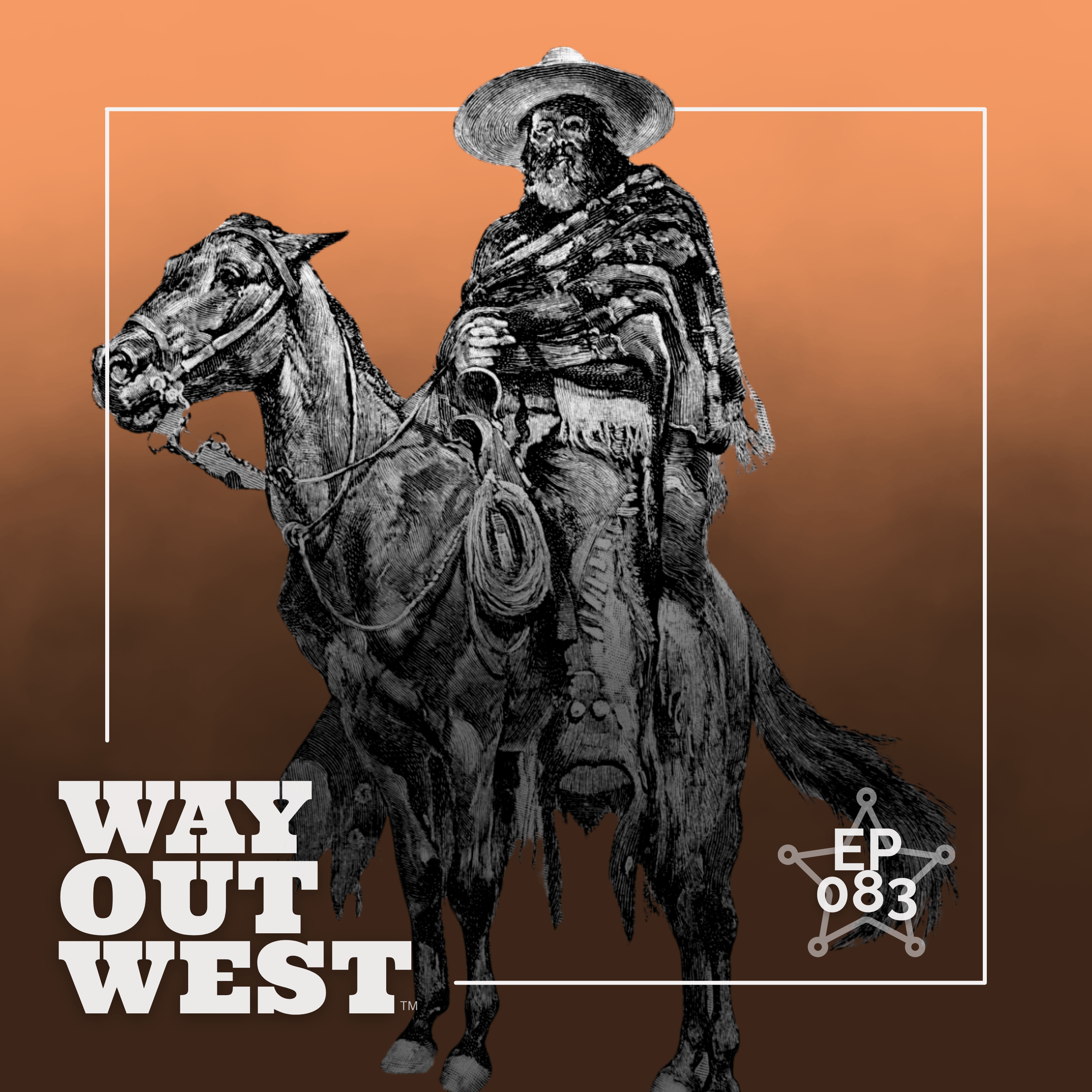
Before the Cowboy: The Braided Roots of the West
The American cowboy didn’t appear overnight. Spanish vaqueros, Indigenous horse cultures, and frontier ranchers all played a role in shaping the traditions of the working West. In this episode of Way Out West, we explore the braided roots of cowboy culture.
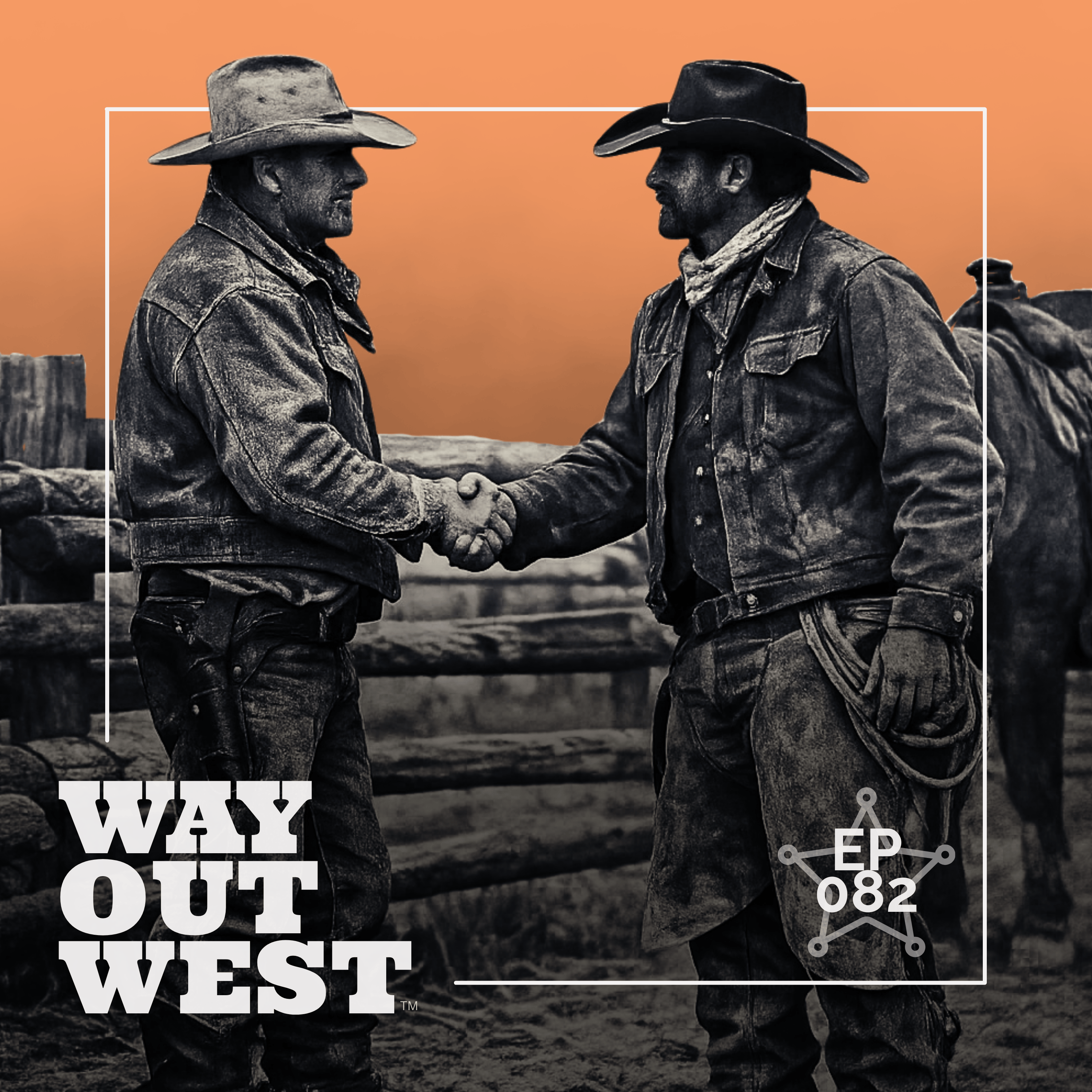
The Cowboy Code: Why a Cowboy’s Word Meant Everything in the Old West
In the Old West, a handshake could be worth more than a contract. This episode explores why a cowboy’s word meant everything, and the moments when keeping that word came at a real cost.
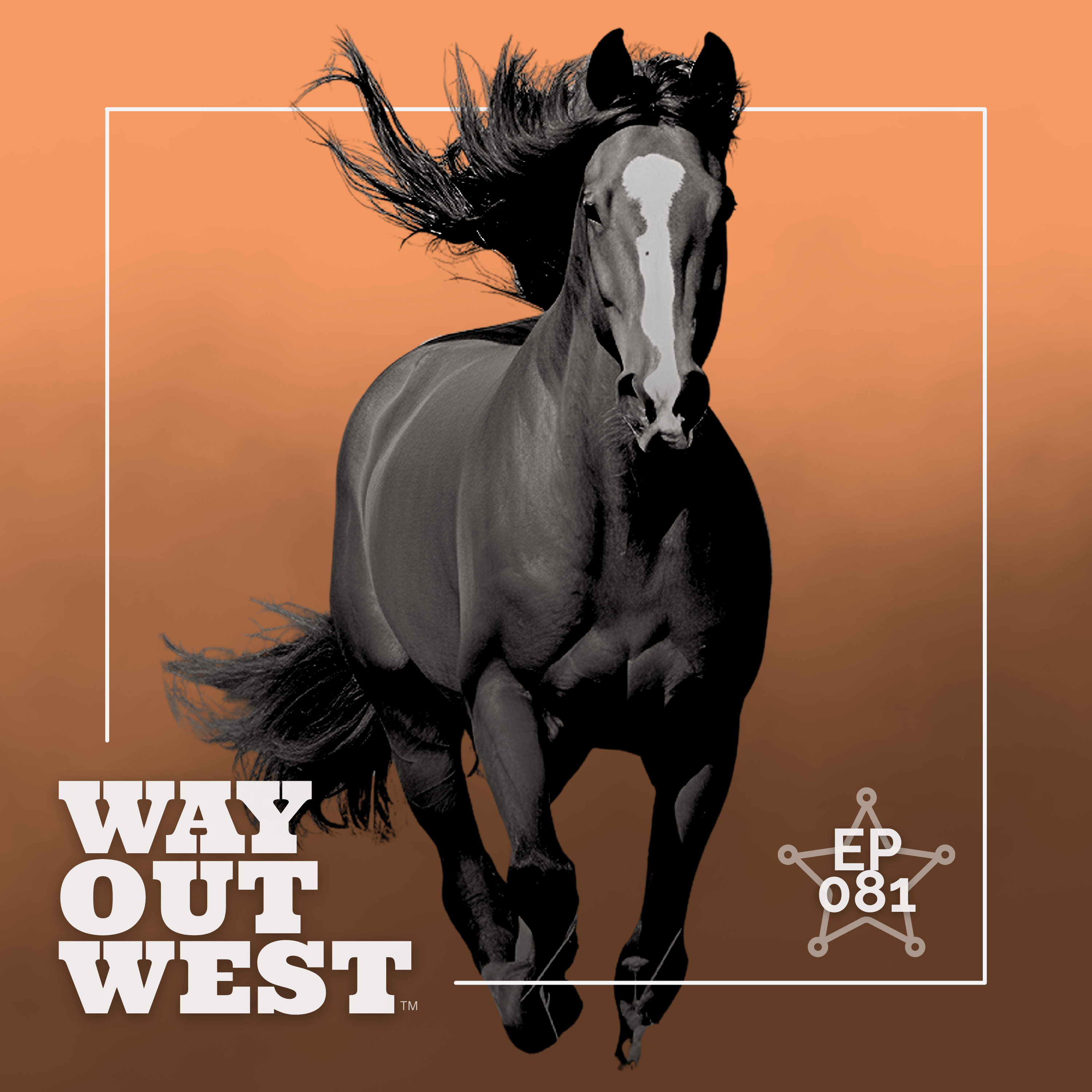
How the Horse Made the American West Possible
From Comanchería to the cattle drives and the Pony Express, the horse turned distance into motion and motion into history. Discover how horsepower reshaped economies, warfare, migration, and the working ranch—making the American West not just possible, but connected.
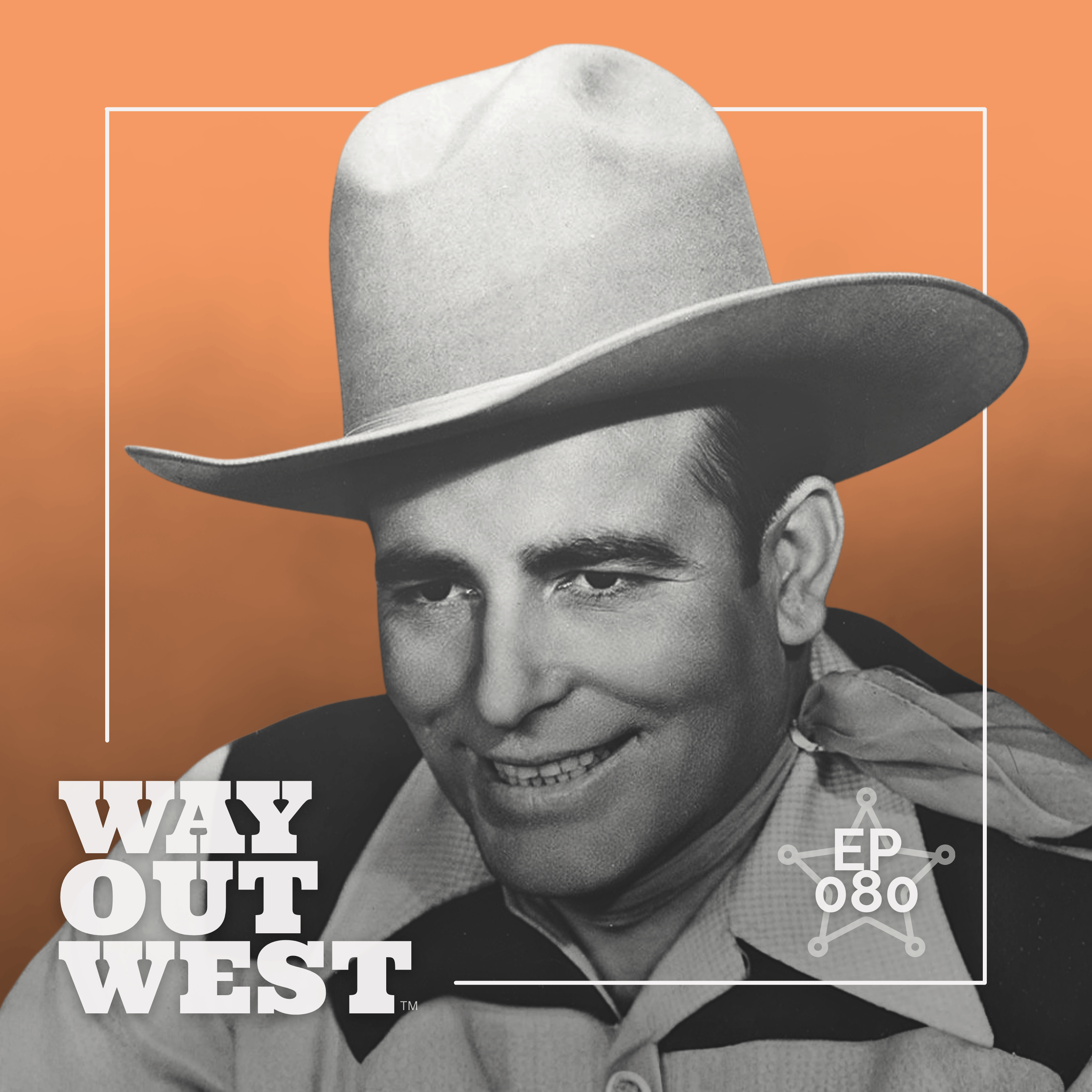
Bob Wills: The Man Who Helped the West Find Its Rhythm
Bob Wills gave the working West more than music; he gave it rhythm. From ranch country to the oil patch to Cain’s Ballroom, this episode tells the story of how Western swing brought a scattered region together and turned Saturday night into a shared experience.
Fannie Sperry Steele: Skill That Couldn’t Be Denied
Before rodeo was a sport, bronc riding was a test. In this episode, we tell the story of Fannie Sperry Steele, a Montana cowgirl whose skill in the saddle was so undeniable that even the hardest standard of the West had to accept her.
How Cowboys Faced Sickness, Injury, and Death on the Trail
With no hospitals or rescue on the open trail, cowboys faced sickness, injury, and death with grit and improvisation. In this episode, explore frontier medicine, hard choices, and the human cost of building the West.
When Winter Broke the Range: The Great Plains Blizzards of the 1880s
In the winter of 1887, brutal blizzards swept across the Great Plains, killing millions of cattle and ending the open range forever. In this episode of Way Out West, we explore how one catastrophic winter reshaped ranching and humbled the American West.
Encore Episode - Cowboy Poetry: How the West Found Its Voice
Cowboy poetry was shaped by long days, hard work, and quiet nights on the range. In this encore episode of Way Out West, we explore how the West found its voice through verse—and why those words still matter today.
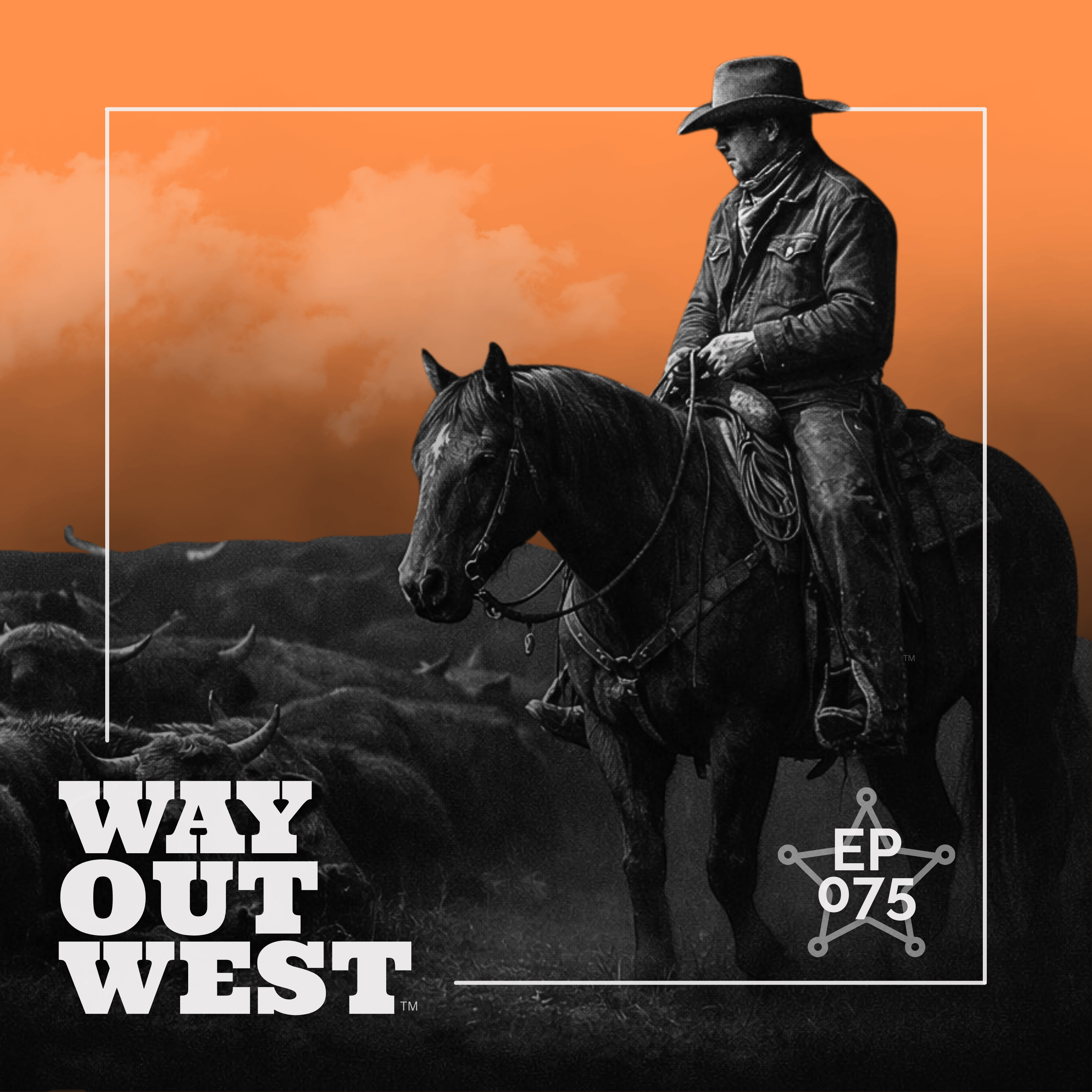
Riding Night Guard: Watching Cattle While the Rest of the World Sleeps
When the herd was bedded down and the camp finally went quiet, someone stayed awake. Riding night guard meant slow circles in the dark, low songs carried on the night air, and the responsibility of keeping calm while the world slept. This is the story of that unseen work.
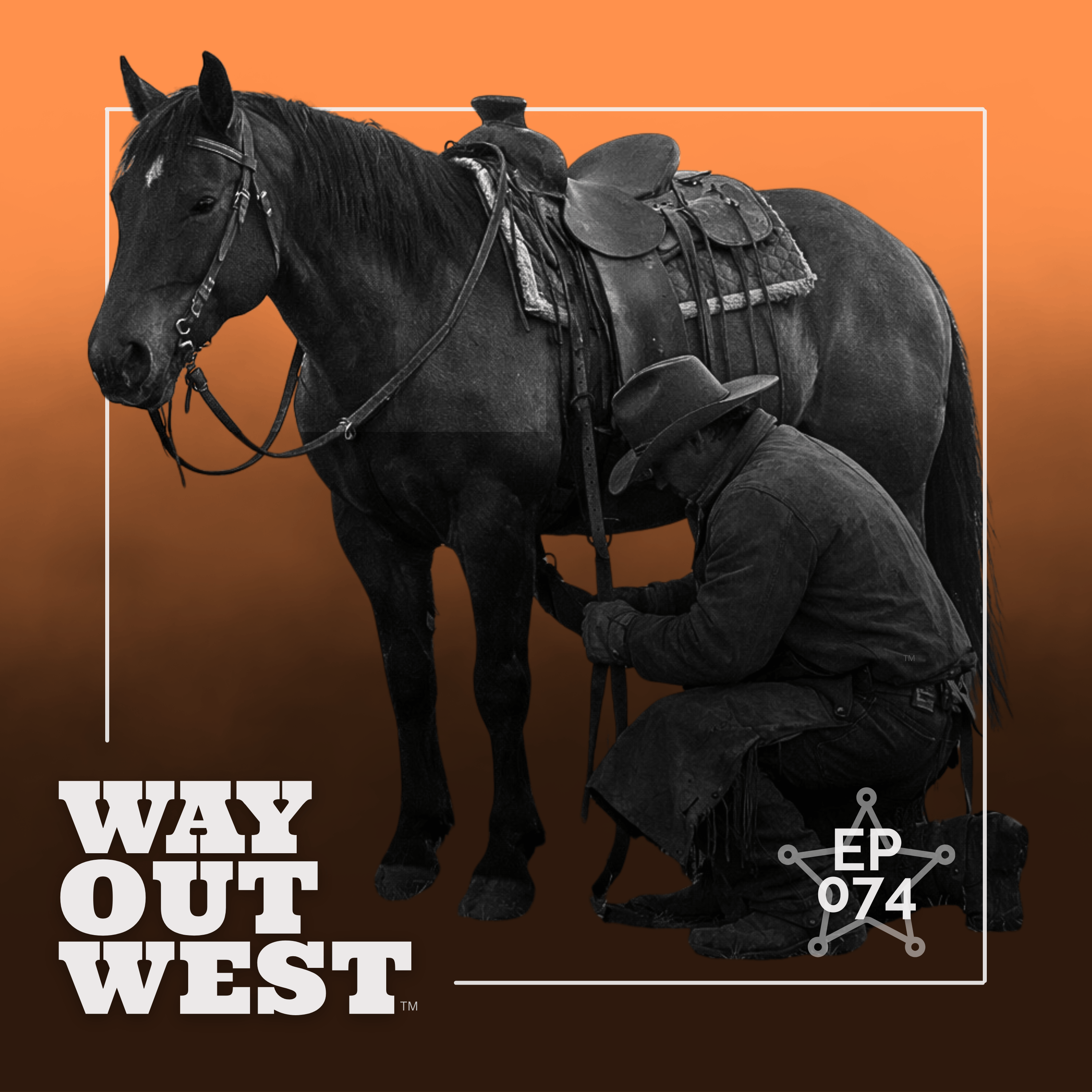
The Next Day: How Cowboys Went Back to Work on the Trail
After the music faded and the town went quiet, cowboys didn’t linger. Morning came, responsibility returned, and the trail was waiting. This episode explores how working cowboys gathered their gear, faced the day ahead, and went back to work on the open range.
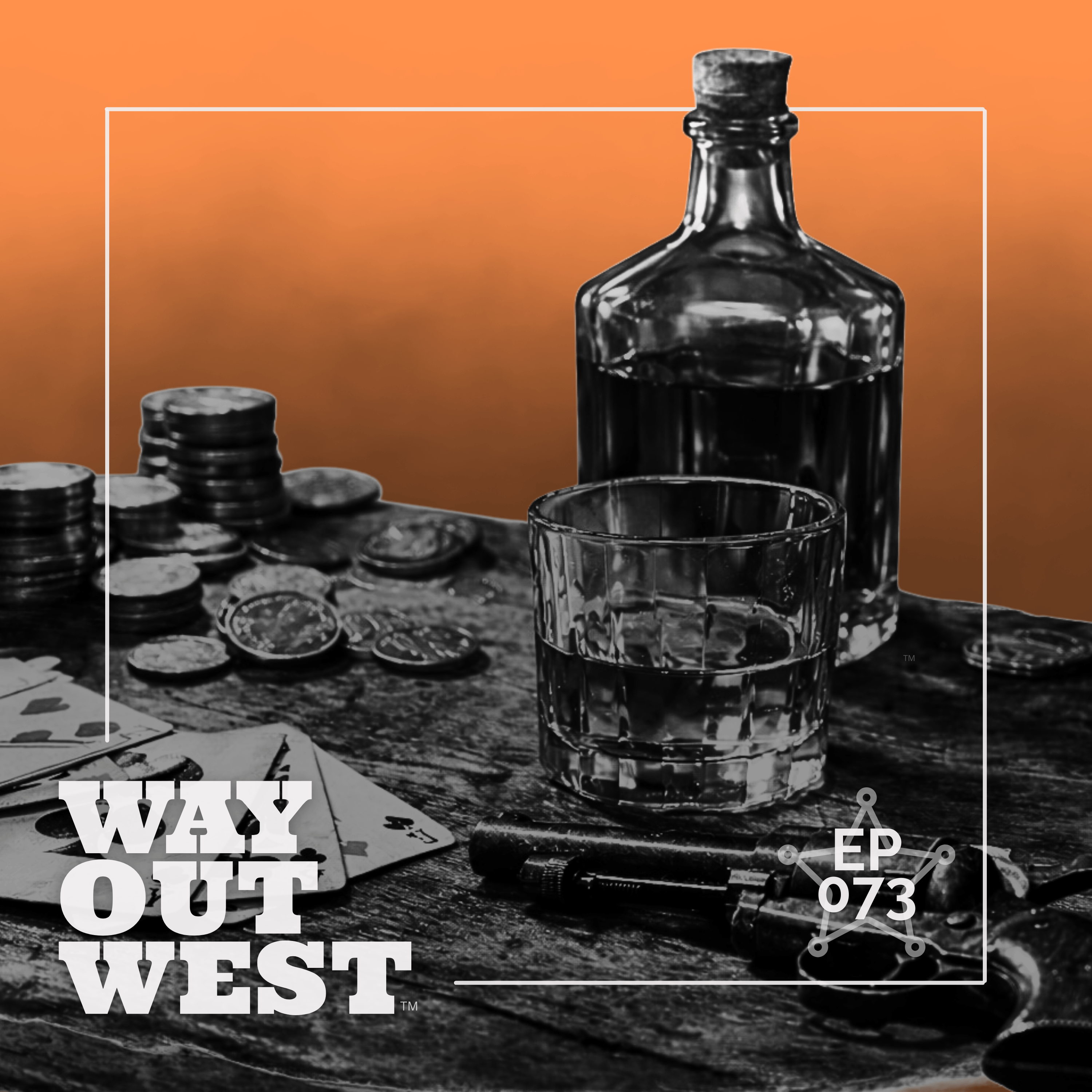
When Cowboys Came to Town: Boardwalks, Saloons, and Bad Decisions
After months on the open range, cowboys rode into town ready to spend their pay and cut loose. Saloons, gambling, gunfights, and tall tales collided in nights that made the frontier legendary.
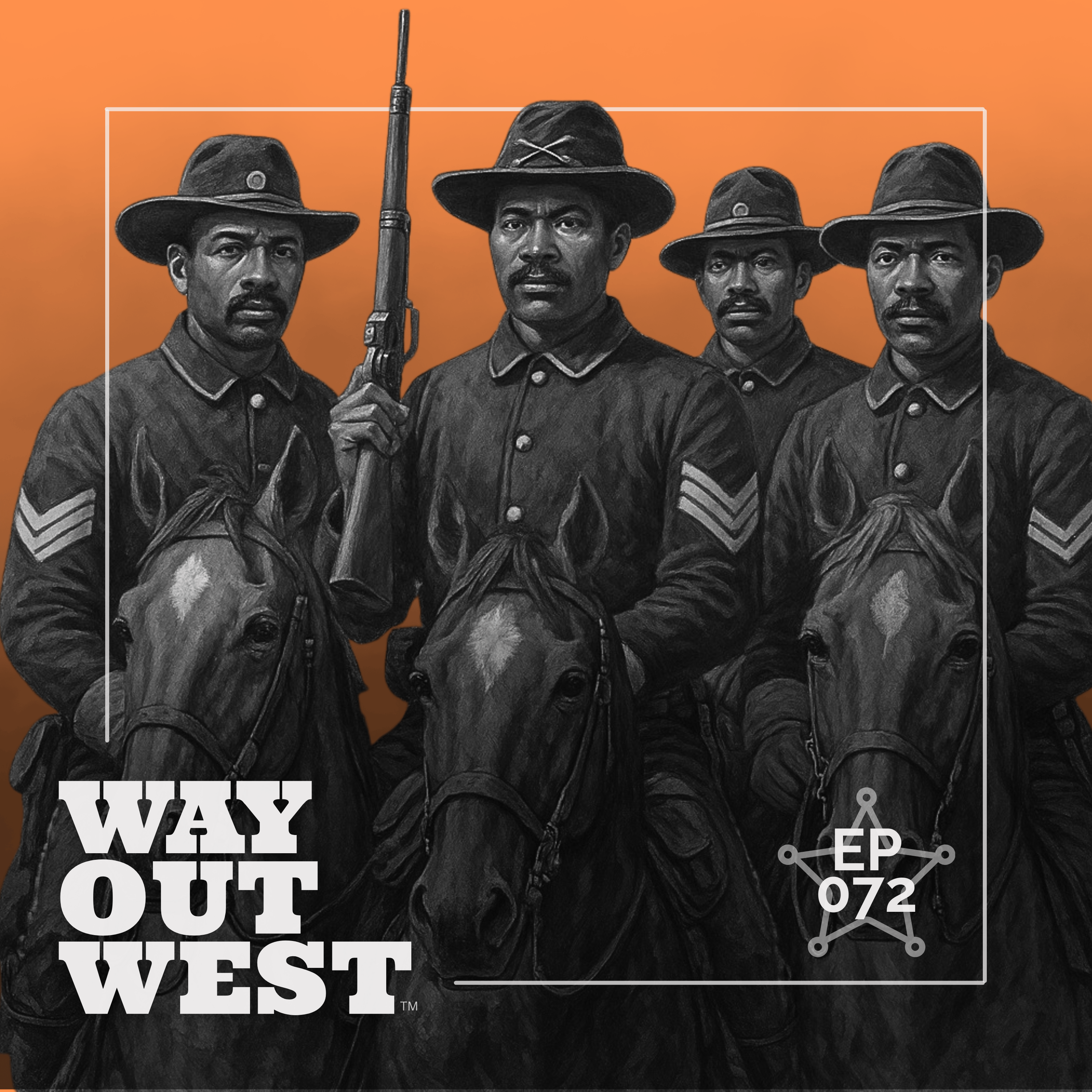
Buffalo Soldiers: Grit, Glory, and an Unbreakable Legacy
The Buffalo Soldiers faced the hardest assignments on the frontier — and left behind an unbreakable legacy. Ride along as we uncover their courage, service, and the overlooked stories that shaped the American West.
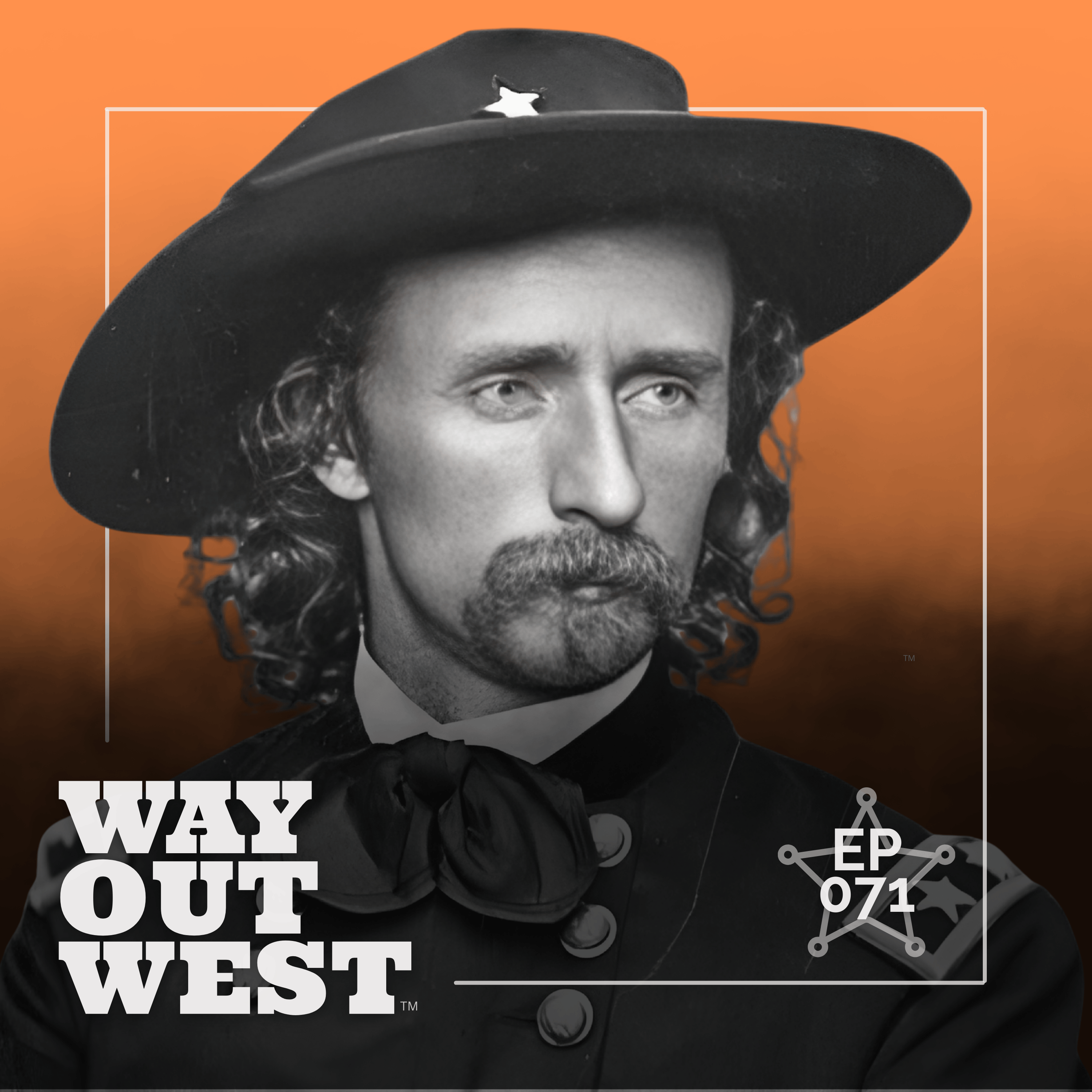
The Life of Kit Carson: Scout, Pathfinder, Complicated Legend
Scout. Pathfinder. Wilderness expert. Kit Carson’s name still echoes across the West, but his real story is far more complex than the legends suggest. Ride along as we explore the grit, contradictions, and legacy of one of the frontier’s most fascinating figures.
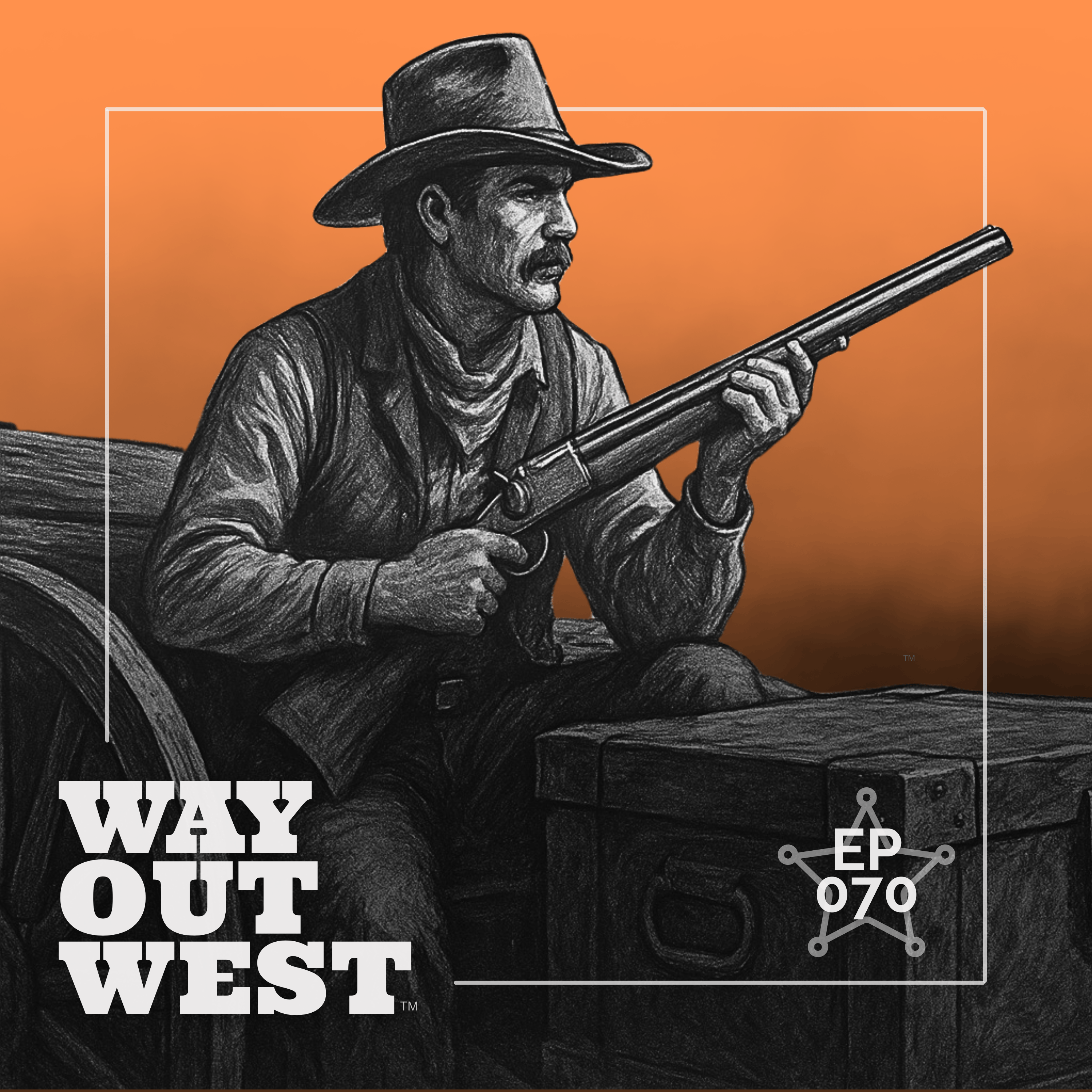
Riding Shotgun: The Deadliest Job in the Old West
Riding shotgun wasn’t just a seat on a stagecoach — it was the deadliest job in the Old West. This episode takes you onto the box seat with the fearless shotgun messengers who guarded gold shipments, battled outlaws, and kept the frontier moving.
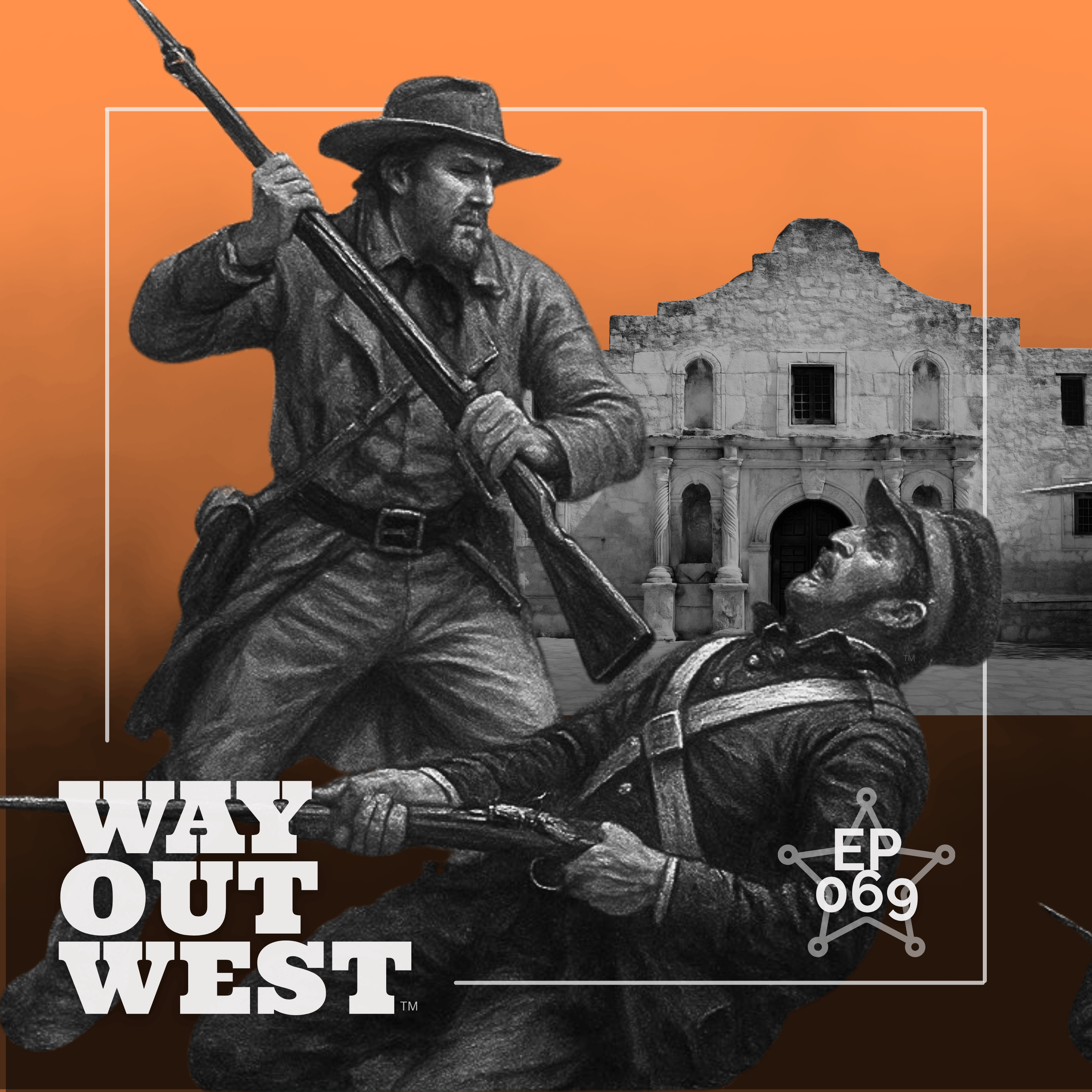
The Alamo: Thirteen Days That Changed America Forever
Step inside the Alamo during thirteen days of courage, fear, and defiance. This episode walks through the siege moment by moment and explores how the battle shaped Texas independence, fueled America’s expansion west, and became one of the West’s most enduring legends.
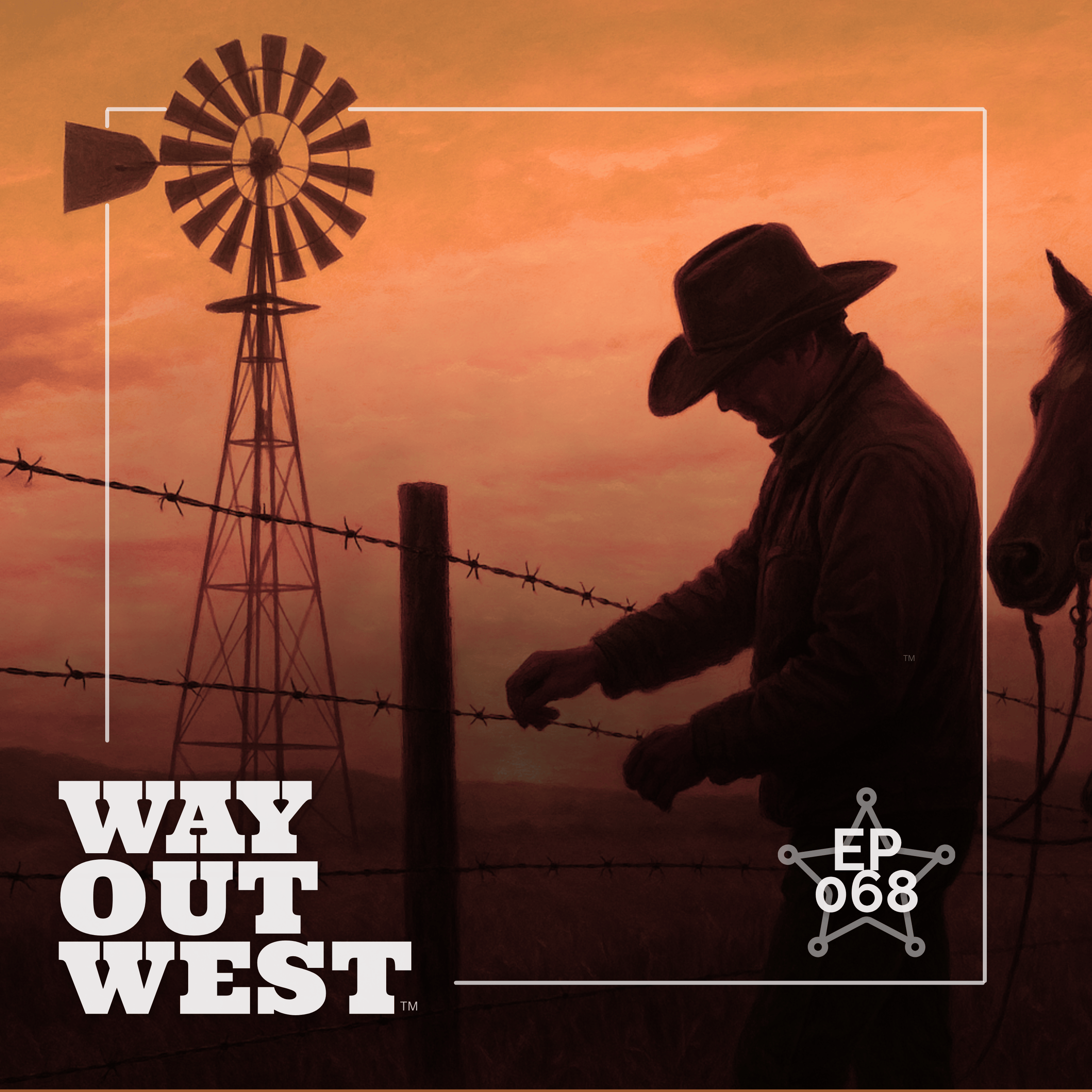
Windmills and Fences: How Technology Tamed the Open Range
Out where the prairie wind never quits, two inventions changed everything. The windmill brought water to dry country, and barbed wire ended the open range. Together, they transformed cowboy life and the very shape of the West itself.
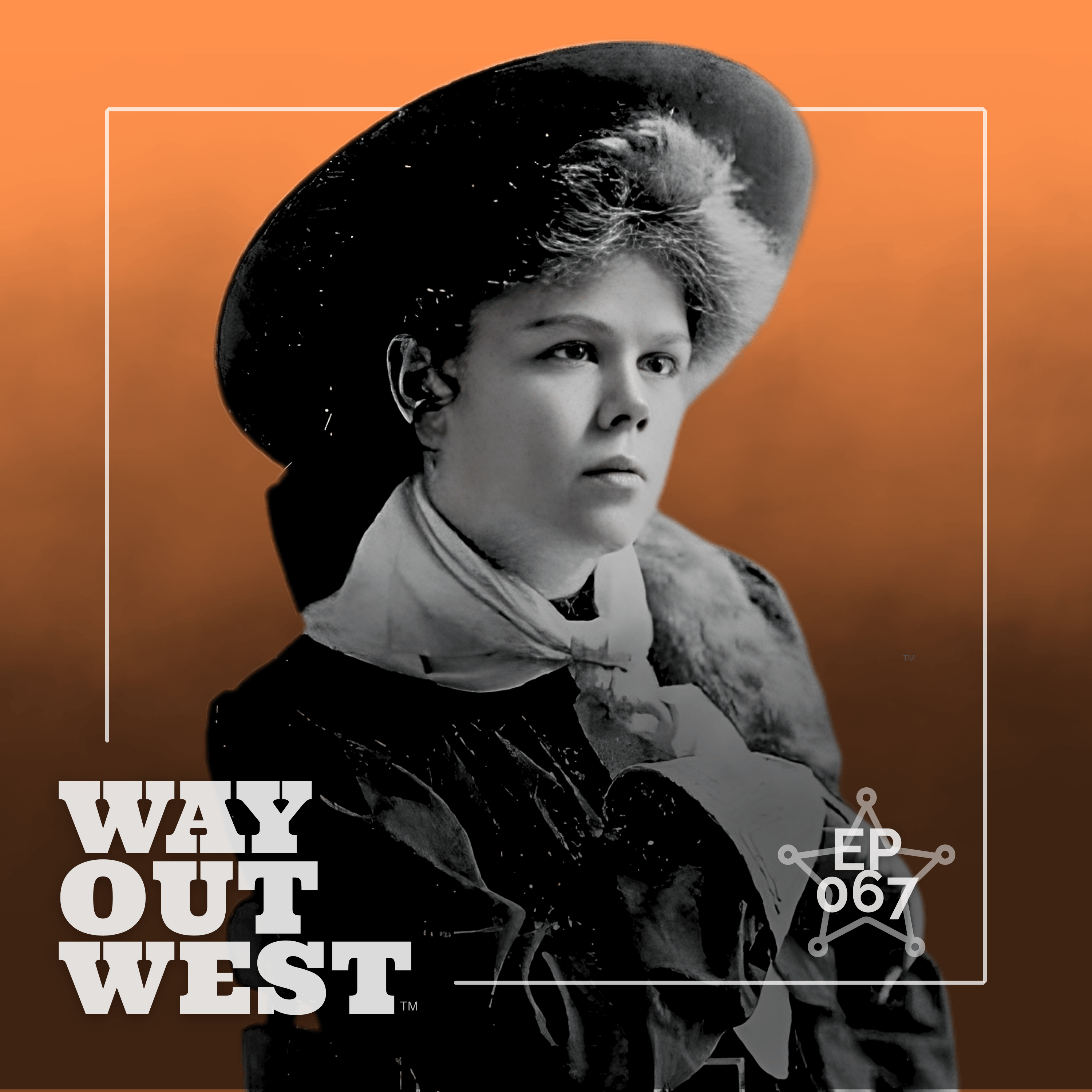
Lucille Mulhall: America’s First Cowgirl
Long before Hollywood cowgirls or rodeo queens, Lucille Mulhall rode her way into history. From the red dirt of Oklahoma to the spotlight of Buffalo Bill’s arena, she proved that true grit doesn’t wear a beard, and that the West has always made room for those brave enough to ride it.
Haunting at The Cowboy: The Whispering Saddles of Prosperity Junction
After hours at The Cowboy, the past doesn’t rest easy. In this haunting tale, a night guard at the National Cowboy & Western Heritage Museum hears whispers from Prosperity Junction and a ghostly rider searching for his lost saddle.
Cowboys and Capital: How the West Was Bankrolled
The Old West didn’t just run on grit and gunpowder — it ran on money. From cattle drives to boomtown banks, Cowboys and Capital explores how the frontier was financed.